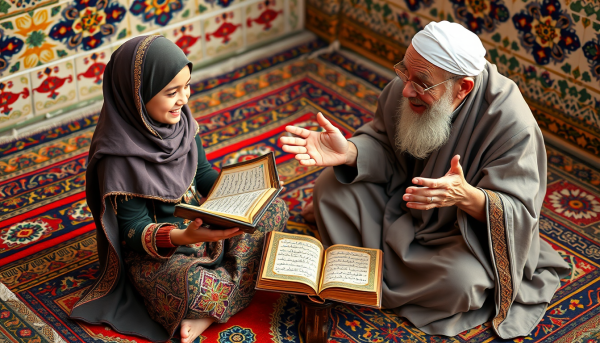
لماذا تعليم الأخلاق أمر ضروري
-
الأخلاق تعكس الإيمان: في الإسلام، ترتبط الأخلاق الجيدة ارتباطاً وثيقاً بممارسة الدين. المسلم الذي يصلي ويصوم ولكنه يسيء معاملة الآخرين أو يتصرف دون نزاهة يفقد جزءاً أساسياً من دينه. تعليم الأطفال أن سلوكهم تجاه الآخرين لا يقل أهمية عن عبادتهم يساعدهم على فهم أن الإسلام هو طريقة حياة شاملة.
-
النبي محمد كنموذج يحتذى به: يُعرف النبي محمد (صلى الله عليه وسلم) بأخلاقه المثالية. كان لطيفاً، صبوراً، رحيماً، ودائماً ما كان يعامل الآخرين باحترام، سواء كانوا مسلمين أو غير مسلمين. تعليم الأطفال أن يتبعوا مثال النبي يمنحهم قدوة ملموسة يمكنهم تقليدها في تفاعلاتهم اليومية.
-
بناء علاقات قوية: تساعد الأخلاق الحسنة الأطفال في بناء علاقات إيجابية مع الأسرة، الأصدقاء، والمجتمع. الصفات الأساسية مثل الاحترام، الصبر، اللطف، والأمانة تساعد الأطفال على التنقل في المواقف الاجتماعية بلباقة وكسب احترام الآخرين.
-
المساهمة في مجتمع سلمي: عندما يتعلم الأطفال كيفية معاملة الآخرين بشكل جيد، يساهم ذلك في مجتمع أكثر انسجامًا وسلامًا. يشجع الإسلام على السلام والعدل، والأطفال الذين يكبرون وهم يفهمون أهمية الإنصاف، اللطف، والاحترام يكونون أكثر احتمالاً لأن يكونوا مساهمين إيجابيين في مجتمعاتهم.
الأخلاق الإسلامية الأساسية التي يجب تعليمها للأطفال
-
الطيبة والرحمة: واحدة من القيم الأساسية في الإسلام هي إظهار اللطف والرحمة لجميع المخلوقات. قال النبي (صلى الله عليه وسلم): "من لا يَرحم لا يُرحم." شجع الأطفال على مساعدة الآخرين، وأن يكونوا لطفاء مع الحيوانات، وأن يتحدثوا بلطف مع الجميع.
-
الأمانة والنزاهة: الصدق قيمة عالية في الإسلام. تعليم الأطفال أهمية الأمانة يضمن أنهم يكبرون ليكونوا أفراداً موثوقين. يؤكد القرآن على أهمية الصدق، ويجب على الوالدين تشجيع أطفالهم على قول الحقيقة دائماً، حتى عندما يكون ذلك صعباً.
-
احترام الآخرين: احترام الكبار، الأقران، وحتى الأطفال الأصغر سناً هو قيمة إسلامية أساسية. تعليم الأطفال استخدام اللغة المهذبة، والاستماع إلى الآخرين، وإظهار الاحترام لوجهات النظر المختلفة يعزز ثقافة التسامح والتفاهم.
-
الشكر: الشكر جزء أساسي من الإيمان الإسلامي. يجب تعليم الأطفال تقدير النعم التي منحهم الله إياها، والتعبير عن الشكر بانتظام، ليس فقط لله ولكن أيضًا لمن حولهم. العبارات البسيطة مثل "الحمد لله" و"جزاك الله خيراً" يجب أن تكون جزءاً من مفرداتهم اليومية.
-
الصبر والمغفرة: يشجع الإسلام على الصبر (الصبر) في جميع جوانب الحياة. يجب أن يتعلم الأطفال أنه من الطبيعي أن يشعروا بالغضب، لكن عليهم التحكم في مشاعرهم دون التصرف بشكل غير لائق. تعليمهم أهمية مسامحة الآخرين عندما يتعرضون للظلم يعكس سلوك النبي (صلى الله عليه وسلم) الذي كان معروفاً بمغفرته حتى تجاه أعدائه.
-
الصدقة والكرم: الصدقة (الصدقة الطوعية) هي ركن أساسي من أركان الإسلام. تعليم الأطفال فرحة العطاء، سواء كان من خلال الهدايا المادية أو الكرم في التصرفات، يساعدهم على تطوير الشعور بالتعاطف والرغبة في مساعدة الآخرين.
نصائح عملية للآباء
-
كن قدوة حسنة: يتعلم الأطفال بشكل أفضل من خلال القدوة. عندما يظهر الآباء باستمرار سلوكيات جيدة - باستخدام لغة مهذبة، والتحلي بالصبر، ومعاملة الآخرين بلطف - يكون الأطفال أكثر احتمالاً لتبني هذه السلوكيات بأنفسهم.
-
استخدم القصص الإسلامية: استخدم القصص من القرآن والسنة لتعليم الدروس القيمة عن الأخلاق. قصة لطف النبي محمد (صلى الله عليه وسلم) تجاه الجيران، حتى أولئك الذين أساءوا إليه، يمكن أن تعلم الأطفال قوة الصبر والرحمة.
-
إنشاء نظام مكافآت: تعزيز السلوك الجيد بالمدح أو المكافآت الصغيرة يمكن أن يحفز الأطفال على ممارسة الأخلاق الحسنة. على سبيل المثال، مكافأة الطفل عندما يظهر لطفاً أو مشاركة يمكن أن تشجعه على جعل هذه السلوكيات عادة.
-
مارس الشكر معاً: اجعل الشكر نشاطاً عائلياً. شجع الأطفال على مشاركة شيء يشكرون الله عليه في نهاية كل يوم. يساعد ذلك في ترسيخ عادة تقدير النعم والاعتراف بها.
-
شجع على التأمل: عندما يرتكب الأطفال أخطاء، استخدم ذلك كفرصة للتأمل. بدلاً من العقاب، اسألهم كيف يمكنهم التعامل مع الموقف بشكل مختلف في المرة القادمة. هذا يعزز الوعي الذاتي والنمو الشخصي.
الخاتمة
تعليم الأطفال أهمية الأخلاق في الإسلام يضع الأساس لهم لينمو ليصبحوا بالغين يتحملون المسؤولية الأخلاقية. من خلال التركيز على قيم مثل الطيبة، الأمانة، الاحترام، والصبر، يتعلم الأطفال تجسيد الروح الحقيقية للإسلام. الآباء، كأول معلمين، يلعبون دوراً حيوياً في تقديم هذه السلوكيات وخلق بيئة يُقدّر فيها ويُمارس السلوك الحسن. مع التوجيه المستمر، سيطور الأطفال ليس فقط إحساسًا قويًا بالشخصية، ولكن أيضًا سيساهمون في مجتمع أكثر تعاطفًا وعدالة، يعكس جمال التعاليم الإسلامية.
نسأل الله أن يرزقنا القدرة على تربية أبناء طيبين، رحماء، وموجهين بمبادئ الإسلام. آمين.
Why Teaching Akhlaq is Essential
-
Akhlaq Reflects Faith: In Islam, having good character is closely tied to one's religious practice. A Muslim who prays and fasts but mistreats others or acts without integrity is missing a core part of their faith. Teaching kids that their behavior towards others is as important as their worship helps them understand that Islam is a holistic way of life.
-
Prophet Muhammad as a Role Model: The Prophet Muhammad (PBUH) is known for his exemplary character. He was kind, patient, compassionate, and always treated others with respect, whether they were Muslims or not. Teaching kids to follow the Prophet’s example gives them a concrete role model to emulate in their daily interactions.
-
Building Strong Relationships: Good manners help children build positive relationships with their family, friends, and community. Respect, patience, kindness, and honesty are foundational qualities that help kids navigate social situations gracefully and earn the respect of others.
-
Contributing to a Peaceful Society: When children learn to treat others well, it contributes to a more harmonious and peaceful society. Islam encourages peace and justice, and children who grow up understanding the importance of fairness, kindness, and respect are more likely to be positive contributors to their communities.
Key Islamic Manners to Teach Kids
-
Kindness and Compassion: One of the core values in Islam is showing kindness and mercy to all creatures. The Prophet (PBUH) said, "He who does not show mercy to others will not be shown mercy." Encourage children to help others, be gentle with animals, and speak kindly to everyone.
-
Honesty and Integrity: Being truthful is highly valued in Islam. Teaching children the importance of honesty ensures they grow up as trustworthy individuals. The Quran emphasizes the importance of truthfulness, and parents should encourage their children to always speak the truth, even when it’s difficult.
-
Respect for Others: Respect for elders, peers, and even younger children is an essential Islamic value. Teaching kids to use polite language, listen to others, and show respect for differing opinions fosters a culture of tolerance and understanding.
-
Gratitude: Gratitude is a key aspect of Islamic faith. Children should be taught to appreciate the blessings Allah has given them and to express thanks regularly, not only to Allah but also to those around them. Simple phrases like "Alhamdulillah” (Praise be to Allah) and "Jazak Allahu Khair” (May Allah reward you) should become part of their daily vocabulary.
-
Patience and Forgiveness: Islam encourages patience (Sabr) in all aspects of life. Children should learn that it’s okay to be upset, but they need to manage their emotions without acting out. Teaching them the importance of forgiving others when wronged mirrors the Prophet’s (PBUH) behavior, who was known for his forgiveness, even towards his enemies.
-
Charity and Generosity: Sadaqah (voluntary charity) is a key tenet of Islam. Teaching kids the joy of giving, whether it's through material gifts or kindness, helps them develop a sense of empathy and a desire to help others.
Practical Tips for Parents
-
Model Good Behavior: Children learn best by example. When parents consistently demonstrate good manners—using polite language, being patient, and treating others kindly—children are more likely to adopt these behaviors themselves.
-
Incorporate Islamic Stories: Use stories from the Quran and Hadith to teach valuable lessons on manners. The story of the Prophet Muhammad’s (PBUH) kindness to neighbors, even those who mistreated him, can teach children the power of patience and compassion.
-
Create a Reward System: Reinforcing good behavior with praise or small rewards can motivate children to practice good manners. For example, rewarding a child for showing kindness or sharing can encourage them to make these behaviors a habit.
-
Practice Gratitude Together: Make gratitude a family activity. Encourage children to share something they are thankful for at the end of each day. This helps instill the habit of recognizing and appreciating blessings.
-
Encourage Reflection: When children make mistakes, use it as an opportunity for reflection. Instead of punishment, ask them how they could handle the situation differently next time. This fosters self-awareness and personal growth.
Conclusion
Teaching kids the importance of Akhlaq in Islam lays the foundation for them to grow into morally responsible adults. By emphasizing values like kindness, honesty, respect, and patience, children learn to embody the true spirit of Islam. Parents, as the first teachers, play a critical role in modeling these behaviors and creating an environment where good manners are valued and practiced. With consistent guidance, children will not only develop a strong sense of character but also contribute to a more compassionate and just society, reflecting the beauty of Islamic teachings.
May Allah grant us the ability to raise children who are kind, compassionate, and guided by the principles of Islam. Ameen.