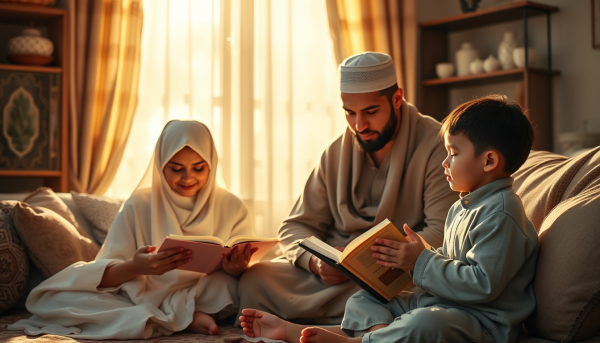
1. بدء اليوم بصلاة الفجر
يجب أن يبدأ اليوم بصلاة الفجر، التي تعتبر ليس فقط واجبًا دينيًا ولكن أيضًا وسيلة جميلة لبدء اليوم. قم بضبط المنبه مبكرًا، واجمع الأسرة لهذه اللحظة الهادئة من العبادة. شجع الجميع على الانخراط في جلسة قصيرة من الذكر أو قراءة بعض الآيات من القرآن بعد الصلاة. هذه الممارسة تساعد الجميع على بدء اليوم بذهن هادئ وإحساس بالهدف.
2. إفطار عائلي صباحي
بعد صلاة الفجر، خصص وقتًا للإفطار العائلي. مشاركة وجبة معًا هي وسيلة رائعة لتعزيز الروابط الأسرية. يمكنك توزيع الأدوار في تحضير الإفطار، مما يسمح للجميع بالمساهمة. قم بتضمين مناقشات حول أهداف اليوم أو المدرسة أو أي أحداث قادمة لخلق بيئة داعمة.
3. وقت الدراسة والتعلم
خصص وقتًا في الصباح للدراسة الفردية. يمكن أن يكون هذا العمل المدرسي للأطفال أو التنمية الشخصية للكبار. دمج التعليم الإسلامي مثل قراءة الكتب الإسلامية أو دراسة القرآن في هذا الروتين يمكن أن يعزز أهمية التعلم المستمر والإيمان في الحياة اليومية.
4. مسؤوليات الأسرة
قم بتوزيع المهام المنزلية المناسبة لكل فرد حسب عمره لتعزيز الشعور بالمسؤولية. يمكن أن تشمل هذه المهام ترتيب المنزل أو تحضير الوجبات أو رعاية الأخوة الأصغر. علم الأطفال أهمية المساهمة في المنزل مع تعزيز العمل الجماعي والتعاون.
5. صلاة الظهر
أدخل صلاة الظهر في روتينك اليومي. هذه فرصة مثالية لأخذ استراحة من المهام اليومية، وإعادة التركيز على الأمور الروحية. شجع الجميع على التوقف عما يفعلونه، والقيام بالوضوء، والاجتماع معًا لأداء الصلاة.
6. الأنشطة العائلية بعد الظهر
بعد صلاة الظهر، يكون الوقت مناسبًا لأنشطة العائلة. خطط لأنشطة تناسب جميع الأعمار، مثل الألعاب اللوحية أو الرياضة في الهواء الطلق أو المشي العائلي. هذه اللحظات تعزز الحب والاتصال، كما أنها توفر منفذًا صحيًا للتخفيف من التوتر.
7. العشاء العائلي المسائي
اجعل من تقليد الاجتماع للعشاء كل مساء عادة دائمة. استخدم هذا الوقت لمناقشة أحداث اليوم، ومشاركة الأفكار والمشاعر، وتعليم الأطفال أهمية التواصل المفتوح. يمكنك أيضًا دمج التعاليم الإسلامية أو القصص خلال هذه الوجبات لتعزيز الإيمان والقيم.
8. العبادة الليلية والتأمل
مع اقتراب اليوم من نهايته، خصص وقتًا لصلاة العشاء. بعد ذلك، انخرط في جلسة تأمل عائلية. ناقش إنجازات اليوم، وما سار بشكل جيد، وما يمكن تحسينه. شجع الجميع على مشاركة أفكارهم حول ما تعلموه من التعاليم الإسلامية أو كيف مارسوا إيمانهم خلال اليوم.
9. روتين وقت النوم
أنشئ روتينًا هادئًا قبل النوم يتضمن قراءة القصص الإسلامية أو آيات من القرآن. شجع الأطفال على التعبير عن أفكارهم ودعواتهم قبل النوم. تساعد هذه الممارسة على تعزيز الشعور بالسلام والامتنان، مما يعزز نومًا هانئًا.
10. أنشطة عائلية أسبوعية
خصص يومًا في الأسبوع للأنشطة العائلية الخاصة. يمكن أن يشمل ذلك زيارة الأقارب أو التطوع في المجتمع أو المشاركة في الفعاليات الإسلامية المحلية. تعزز هذه الأنشطة الروابط الأسرية والعلاقات المجتمعية، وتغرس الشعور بالانتماء والمسؤولية.
الخاتمة
يتطلب بناء روتين إسلامي للأسرة نية واضحة واستمرارية. من خلال دمج الممارسات الروحية في الحياة اليومية، يمكن للعائلات إنشاء بيئة مليئة بالرعاية تعزز الإيمان والحب والوحدة. تذكر أنه من الضروري أن تكون مرنًا وأن تتكيف مع احتياجات أسرتك، مع الحفاظ دائمًا على التركيز على القيم الإسلامية. مع الصبر والتفاني، ستبني منزلًا متناغمًا يغذي الجسد والروح.
1. Start the Day with Fajr
The day should begin with the Fajr prayer, which is not only a spiritual obligation but also a beautiful way to start the day. Set your alarm early, and gather the family for this serene moment of worship. Encourage everyone to engage in a short session of dhikr (remembrance of Allah) or reading a few verses from the Quran after the prayer. This practice can help everyone start the day with a peaceful mind and a sense of purpose.
2. Morning Family Breakfast
After Fajr, make time for a family breakfast. Sharing a meal together is a fantastic way to strengthen family ties. You can take turns preparing breakfast, allowing everyone to contribute. Incorporate discussions about daily goals, school, or any upcoming events to create a supportive environment.
3. Study and Learning Time
Allocate time in the morning for individual study. This can be schoolwork for children or personal development for adults. Integrating Islamic education, such as reading Islamic books or studying the Quran, into this routine can reinforce the importance of lifelong learning and faith in daily life.
4. Family Responsibilities
Assign age-appropriate chores to family members to instill a sense of responsibility. This could include tidying up the home, preparing meals, or taking care of younger siblings. Teach children the importance of contributing to the household while promoting teamwork and cooperation.
5. Midday Prayer (Dhuhr)
Incorporate the Dhuhr prayer into your routine. This is a perfect opportunity to take a break from daily tasks, reset, and refocus on spiritual matters. Encourage everyone to pause what they’re doing, perform wudu (ablution), and come together for prayer.
6. Afternoon Family Activities
Post-Dhuhr is a great time for family bonding activities. Plan activities that cater to all age groups, such as board games, outdoor sports, or family walks. These moments foster love and connection, and they also provide a healthy outlet for stress relief.
7. Evening Family Dinner
Make it a tradition to gather for dinner every evening. Use this time to discuss the day’s events, share thoughts and feelings, and teach children the importance of open communication. You can also incorporate Islamic teachings or stories during these meals to reinforce faith and values.
8. Nightly Worship and Reflection
As the day winds down, allocate time for the Isha prayer. Afterward, engage in family reflection. Discuss the day’s achievements, what went well, and what could be improved. Encourage everyone to share their thoughts on what they learned from Islamic teachings or how they practiced their faith throughout the day.
9. Bedtime Routine
Create a calming bedtime routine that includes reading Islamic stories or verses from the Quran. Encourage children to express their thoughts and prayers before sleeping. This practice helps instill a sense of peace and gratitude, promoting a restful night’s sleep.
10. Weekly Family Activities
Dedicate one day a week to special family activities. This could involve visiting relatives, volunteering in the community, or participating in local Islamic events. These outings can strengthen family bonds and community ties, fostering a sense of belonging and responsibility.
Conclusion
Building an Islamic family routine requires intention and consistency. By incorporating spiritual practices into daily life, families can create a nurturing environment that fosters faith, love, and unity. Remember, it’s essential to be flexible and adapt the routine to fit your family’s needs while always keeping the focus on Islamic values. With patience and dedication, you’ll create a harmonious home that nourishes both the body and the soul.