لماذا نعلم الأطفال الآداب الإسلامية؟
الآداب الإسلامية، أو الأخلاق، هي جوهر التعاليم الإسلامية. تشمل هذه الآداب كل شيء، من اللطف والاحترام إلى الأمانة والتواضع. غرس هذه القيم في وقت مبكر يساعد الأطفال على النمو ليصبحوا بالغين متعاطفين ومسؤولين يسهمون إيجابياً في المجتمع. تعليم الآداب الإسلامية يعزز أيضاً ارتباط الطفل بدينه، مما يمنحه بوصلة أخلاقية ترتكز على تعاليم القرآن والسنة.
فوائد الفصول الدراسية عبر الإنترنت في تعليم الآداب الإسلامية
1. المرونة والراحة
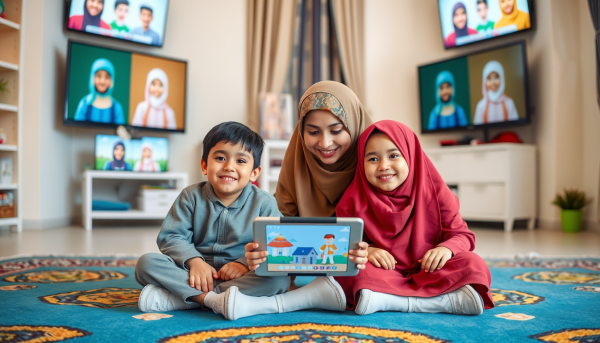
تتيح الفصول الدراسية عبر الإنترنت للآباء والأطفال مرونة التعلم وفق وتيرتهم الخاصة ومن راحة منازلهم. توفر هذه المرونة للعائلات إمكانية تنظيم الدروس ضمن جداولهم المزدحمة دون التضحية بأنشطة أخرى مهمة.
2. أدوات تعلم تفاعلية
غالباً ما تستخدم المنصات التعليمية عبر الإنترنت مجموعة متنوعة من الأدوات مثل الفيديوهات، الرسوم المتحركة، الاختبارات، والألعاب التفاعلية، مما يجعل التعلم أكثر تشويقاً للأطفال. يمكن أن تساعد الوسائل البصرية الأطفال الأصغر سناً على فهم المفاهيم المجردة، بينما تتيح النقاشات التفاعلية للأطفال الأكبر سناً طرح الأسئلة والتعمق في الفهم.
3. الوصول إلى معلمين مؤهلين
توفر الفصول الدراسية عبر الإنترنت للعائلات إمكانية الوصول إلى معلمين مؤهلين من مختلف أنحاء العالم يمكنهم تقديم رؤى ووجهات نظر قيمة. غالباً ما يكون هؤلاء المدرسون ملمين بتعاليم الإسلام ومهارات في تقديمها بطريقة تليق بالأطفال.
4. التفاعل مع الأقران
توفر الفصول الدراسية عبر الإنترنت فرصاً للأطفال للتفاعل مع أقرانهم من مناطق وخلفيات متنوعة. يعزز هذا الشعور بالوحدة داخل المجتمع الإسلامي ويتيح للأطفال تعلم احترام وتقدير وجهات نظر الآخرين.
المواضيع الشائعة في دروس الآداب الإسلامية للأطفال
تغطي العديد من الدورات التعليمية عبر الإنترنت للأطفال مواضيع أساسية في الآداب الإسلامية، مثل:
- احترام الوالدين: التأكيد على أهمية تكريم، طاعة، وإظهار اللطف تجاه الوالدين، وهو مبدأ أساسي في الإسلام.
- اللطف تجاه الآخرين: تعليم الأطفال كيفية أن يكونوا متعاطفين ومراعين في تعاملاتهم مع الأصدقاء، الإخوة، والجيران.
- قول الحقيقة: تشجيع الأمانة في جميع جوانب الحياة وتعليم الأطفال عواقب الكذب.
- الكرم والصدقة: غرس قيمة المشاركة مع المحتاجين وفهم أهمية الصدقة.
- الشكر والصبر: مساعدة الأطفال على تقدير ما لديهم والتحلي بالصبر في المواقف الصعبة.
نصائح للآباء لتعزيز التعلم في المنزل
تعد الفصول الدراسية عبر الإنترنت بداية رائعة، لكن مشاركة الآباء ضرورية لتعزيز الآداب الإسلامية في المنزل. إليكم بعض النصائح العملية:
-
كن قدوة حسنة: يتعلم الأطفال بشكل أفضل من خلال الملاحظة. كن نموذجاً للسلوكيات والآداب التي ترغب أن يتبناها أطفالك. أظهر الاحترام، اللطف، والأمانة في تصرفاتك وتعاملاتك مع الآخرين.
-
شجع على التأمل: بعد كل درس، شجع طفلك على التفكير فيما تعلمه. اسأله كيف يمكنه تطبيق هذه التعاليم في مواقف حياتية حقيقية، مثل التحلي بالصبر مع أخيه أو الصدق بشأن خطأ ارتكبه.
-
قم بتمثيل مواقف واقعية: مارس مواقف واقعية تحتاج إلى الآداب الإسلامية. على سبيل المثال، قم بتمثيل مواقف يحتاج فيها الطفل إلى الاعتذار، المغفرة، أو مساعدة صديق محتاج. سيمنحهم هذا مهارات عملية للتعامل مع مواقف مماثلة بشكل مستقل.
-
كافئ السلوك الحسن: اعترف واحتفل بلحظات تظهر فيها طفلك حسن الخلق. التعزيز الإيجابي يشجعهم على الاستمرار في ممارسة هذه القيم.
-
أشرك أفراد العائلة: شجع جميع أفراد العائلة على المشاركة في مناقشات حول الآداب الإسلامية. تفاعلات الأخوة، الأنشطة العائلية، وحتى أوقات تناول الطعام توفر فرصاً لا حصر لها لممارسة الآداب.
-
اصنع تذكاراً مرئياً: فكر في صنع "لوحة الآداب" حيث تسرد فيها مختلف الآداب والأمثلة على كيفية ممارستها يومياً. يمكن للأطفال المشاركة من خلال مشاركة لحظات مارسوا فيها أحد الآداب ورؤية ذلك معروضاً كوسيلة تذكير.
اختيار الفصل الدراسي المناسب عبر الإنترنت
عند اختيار فصل دراسي عبر الإنترنت لتعليم الآداب الإسلامية للأطفال، ضع في اعتبارك العوامل التالية:
- ملاءمة العمر: تأكد من أن محتوى الفصل الدراسي مصمم ليناسب عمر طفلك ومرحلته التطويرية.
- خلفية المدرس: اختر دورات يقودها معلمون مؤهلون وملمون بتعاليم الإسلام وتعليم الأطفال.
- المحتوى والأسلوب: ابحث عن فصول تتضمن مواد تفاعلية تناسب العمر وتوفر فرصاً للمشاركة النشطة.
- التقييمات والتوصيات: اطلع على التقييمات أو اطلب توصيات من آباء آخرين لتقدير فعالية الفصل.
أفكار ختامية
يعد تعليم الآداب الإسلامية للأطفال من خلال الفصول الدراسية عبر الإنترنت طريقة رائعة لغرس هذه القيم المهمة في جيل اليوم المتقن للتكنولوجيا. مع راحة التعلم عبر الإنترنت، يمكن للعائلات الاستفادة من المعلمين المؤهلين، والدروس التفاعلية، والتفاعلات مع الأقران من جميع أنحاء العالم – وكل ذلك من راحة منازلهم. من خلال دمج الفصول الدراسية عبر الإنترنت مع التطبيق الواقعي والدعم الأبوي، سيكون الأطفال مجهزين بشكل جيد للعيش بلطف واحترام واعتزاز بهويتهم الإسلامية.
Why Teach Islamic Manners to Children?
Islamic manners, or Akhlaq, are at the heart of Islamic teachings. These manners encompass everything from kindness and respect to honesty and humility. Instilling these values early on helps children grow into compassionate, responsible adults who contribute positively to society. Teaching Islamic manners also strengthens a child’s connection to their faith, giving them a moral compass rooted in the teachings of the Quran and the Sunnah.
The Benefits of Online Islamic Manners Classes
1. Flexibility and Convenience
Online classes provide parents and children with the flexibility to learn at their own pace and in the comfort of their homes. This convenience allows families to fit lessons into their busy schedules without sacrificing other important activities.
2. Interactive Learning Tools
Online platforms often use a variety of tools such as videos, animations, quizzes, and interactive games, making learning more engaging for children. Visual aids can help younger children grasp abstract concepts, while interactive discussions allow older kids to ask questions and develop a deeper understanding.
3. Access to Qualified Teachers
Online classes give families access to knowledgeable teachers from around the world who can share valuable insights and perspectives. These instructors often have a deep understanding of Islamic teachings and are skilled at presenting them in ways that children can relate to and understand.
4. Peer Interaction
Online classes often include opportunities for children to interact with peers from different regions and backgrounds. This diversity fosters a sense of unity within the Muslim community and allows children to learn from others' perspectives, building empathy and respect.
Topics Commonly Covered in Islamic Manners Classes
Many online courses for children cover foundational topics of Islamic manners, such as:
- Respect for Parents: Emphasizing the importance of honoring, obeying, and showing kindness to parents, a core principle in Islam.
- Kindness to Others: Teaching children how to be compassionate and considerate in their interactions with friends, siblings, and neighbors.
- Speaking the Truth: Encouraging honesty in all aspects of life and teaching the consequences of lying.
- Generosity and Charity: Instilling the value of sharing resources with those in need and understanding the significance of charity.
- Gratitude and Patience: Helping children appreciate what they have and be patient in difficult situations.
Tips for Parents to Reinforce Learning at Home
Online classes are a great start, but parental involvement is essential to reinforcing Islamic manners at home. Here are some practical tips:
-
Lead by Example: Children learn best by observing. Model the behaviors and manners you want them to adopt. Show respect, kindness, and honesty in your actions and interactions with others.
-
Encourage Reflection: After each class, encourage your child to reflect on what they learned. Ask them how they might apply these teachings in real-life situations, like showing patience with a sibling or being truthful about a mistake.
-
Role-Play Scenarios: Practice real-life situations where Islamic manners are needed. For example, role-play scenarios where your child has to apologize, forgive, or help a friend in need. This will give them practical skills for handling similar situations independently.
-
Reward Good Manners: Acknowledge and celebrate moments when your child demonstrates good manners. Positive reinforcement encourages them to continue practicing these values.
-
Involve Family Members: Engage the entire family in discussions about Islamic manners. Sibling interactions, family activities, and even mealtimes offer countless opportunities to put manners into practice.
-
Create a Visual Reminder: Consider creating a "Manners Board" where you list different manners and examples of how they can be practiced daily. Children can contribute by sharing moments when they’ve practiced a particular manner and can see it displayed as a reminder.
Choosing the Right Online Class
When selecting an online class for teaching Islamic manners to children, consider the following factors:
- Age Appropriateness: Ensure that the class content is tailored to your child’s age and developmental stage.
- Instructor’s Background: Choose courses led by qualified instructors who are knowledgeable in both Islamic teachings and child education.
- Content and Format: Look for a class that incorporates interactive, age-appropriate materials and provides opportunities for active engagement.
- Reviews and Recommendations: Read reviews or seek recommendations from other parents to gauge the class's effectiveness.
Final Thoughts
Teaching Islamic manners to children through online classes is a wonderful way to instill these important values in today’s tech-savvy generation. With the convenience of online learning, families can take advantage of qualified instructors, interactive lessons, and global peer interactions—all from the comfort of home. By combining online classes with real-life practice and parental support, children will be well-equipped to live their lives with kindness, respect, and a strong sense of Islamic identity.