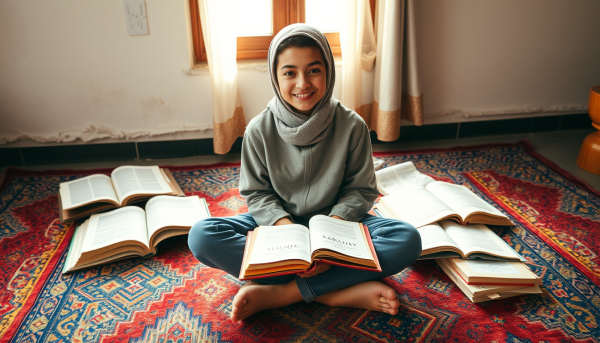
1. تحديد الأهداف الواضحة
ابدأ بتعريف أهدافك التعليمية. ماذا تأمل في تحقيقه من خلال دراستك؟ سواء كنت تسعى للتميز الأكاديمي، أو للحصول على فهم أعمق لتعاليم الإسلام، أو الإعداد لمهنة تجمع بين كلا المجالين، فإن وجود أهداف واضحة سيساعدك على تحديد أولويات وقتك وجهودك. ضع في اعتبارك الأهداف قصيرة وطويلة المدى، وأعد تقييمها بانتظام للبقاء على المسار الصحيح.
2. إنشاء جدول زمني منظم
إدارة الوقت أمر حاسم عند تحقيق التوازن بين الدراسات الدنيوية والدراسات الإسلامية. قم بتطوير جدول زمني يومي أو أسبوعي منظم يخصص فترات زمنية محددة لكل موضوع. ضع في اعتبارك ما يلي عند إنشاء جدولك:
- أوقات الدروس: تأكد من متابعة جدول دروسك للدراسات الدنيوية والدراسات الإسلامية.
- جلسات الدراسة: خصص فترات محددة للدراسة المركزة، والمراجعة، والواجبات لكل مجال.
- وقت الشخصي: تضمين فترات للراحة والأنشطة الترفيهية لتجنب الإرهاق والحفاظ على توازن صحي بين العمل والحياة.
3. دمج التعلم
ابحث عن طرق لدمج دراستك الدنيوية والدراسات الإسلامية. على سبيل المثال، عند دراسة التاريخ، اعتبر مساهمات الحضارات الإسلامية. في دروس الأدب، استكشف الشعر الإسلامي أو الكتابات التي تعكس تراثك الثقافي. من خلال إيجاد روابط بين هذين المجالين، ستعزز فهمك وتقديرك لكليهما.
4. الانضمام إلى مجموعات دراسية
يمكن أن تعزز التعاون مع الزملاء تجربة التعلم الخاصة بك. شكل أو انضم إلى مجموعات دراسية تضم طلابًا من الدراسات الدنيوية والدراسات الإسلامية. مناقشة المفاهيم ومشاركة الأفكار يمكن أن يوفر وجهات نظر جديدة ويجعل المواضيع المعقدة أكثر قابلية للإدارة. بالإضافة إلى ذلك، تعزز هذه التفاعلات الشعور بالمجتمع والدعم، مما يساعدك على البقاء متحمسًا ومشاركًا.
5. طلب الإرشاد
لا تتردد في طلب النصيحة من المعلمين أو المرشدين أو قادة المجتمع الذين يفهمون كلا النظامين التعليميين. يمكنهم تقديم رؤى قيمة حول كيفية تحقيق التوازن بين دراستك، واقتراح الموارد، وتقديم التشجيع. يمكن أن تلهمك الانخراط مع نماذج يحتذى بها نجحت في التنقل بين التعليم الدنيوي والإسلامي في رحلتك.
6. الاستفادة من التكنولوجيا
استخدم التكنولوجيا لدعم دراستك. يمكن أن تعزز الموارد عبر الإنترنت، والتطبيقات التعليمية، والمجموعات الدراسية الافتراضية تجربتك التعليمية وتوفر لك المرونة. على سبيل المثال، يمكنك الوصول إلى محاضرات أو دورات إسلامية عبر الإنترنت أثناء الاستعداد لامتحانات الدراسات الدنيوية، مما يسمح لك بزيادة وقتك وفرص التعلم.
7. التمسك بقيمك
بينما تتنقل في رحلتك التعليمية، من الضروري أن تبقى ملتزمًا بقيمك ومعتقداتك. تذكر مبادئ الإسلام وكيف يمكن أن توجه أفعالك وقراراتك. شارك في تأملات دورية لتقييم كيف تتماشى دراستك مع إيمانك، ولا تتردد في تعديل أولوياتك حسب الحاجة.
8. إعطاء الأولوية للعناية الذاتية
يمكن أن يكون تحقيق التوازن بين مجالين دراسيين دقيقين أمرًا مرهقًا. اجعل العناية الذاتية أولوية للحفاظ على صحتك العقلية والبدنية. ادمج الأنشطة التي تغذي جسمك وعقلك، مثل ممارسة الرياضة، أو التأمل، أو قضاء الوقت مع العائلة والأصدقاء. سيعزز عقل وجسد صحيان أدائك الأكاديمي وسعادتك العامة.
الخاتمة
يتطلب تحقيق التوازن بين الدراسات الدنيوية والدراسات الإسلامية التفاني والتنظيم والالتزام بقيمك. من خلال تحديد الأهداف الواضحة، وإنشاء جدول زمني منظم، ودمج تعلمك، وطلب الدعم، يمكنك التنقل بنجاح في هذا المسار التعليمي المزدوج. اغتنم الفرص التي تنشأ من هذا التوازن، وتذكر أن قاعدة معرفتك المتنوعة يمكن أن تسهم في فهم أعمق للعالم من حولك. لن تعزز رحلتك نموك الشخصي فحسب، بل ستعدك أيضًا لتقديم مساهمات ذات مغزى للمجتمع.
1. Set Clear Goals
Begin by defining your educational goals. What do you hope to achieve through your studies? Whether you aim to excel academically, gain a deeper understanding of Islamic teachings, or prepare for a career that combines both fields, having clear objectives will help you prioritize your time and efforts. Consider both short-term and long-term goals, and regularly reassess them to stay on track.
2. Create a Structured Schedule
Time management is crucial when balancing secular and Islamic studies. Develop a structured daily or weekly schedule that allocates specific time blocks for each subject. Consider the following when creating your schedule:
- Class times: Ensure you’re keeping track of both secular and Islamic class schedules.
- Study sessions: Dedicate specific periods for focused study, review, and assignments for each discipline.
- Personal time: Include breaks and leisure activities to avoid burnout and maintain a healthy work-life balance.
3. Integrate Learning
Look for ways to integrate your secular and Islamic studies. For instance, when studying history, consider the contributions of Islamic civilizations. In literature classes, explore Islamic poetry or writings that reflect your cultural heritage. By finding connections between the two fields, you’ll deepen your understanding and appreciation of both.
4. Join Study Groups
Collaborating with peers can enhance your learning experience. Form or join study groups that include both secular and Islamic studies students. Discussing concepts and sharing insights can provide new perspectives and make complex topics more manageable. Additionally, these interactions foster a sense of community and support, helping you stay motivated and engaged.
5. Seek Guidance
Don’t hesitate to seek advice from teachers, mentors, or community leaders who understand both educational systems. They can offer valuable insights on how to balance your studies, suggest resources, and provide encouragement. Engaging with role models who successfully navigate both secular and Islamic education can inspire you on your journey.
6. Embrace Technology
Utilize technology to support your studies. Online resources, educational apps, and virtual study groups can enhance your learning experience and provide flexibility. For example, you can access Islamic lectures or courses online while studying for secular exams, allowing you to maximize your time and learning opportunities.
7. Stay True to Your Values
As you navigate your educational journey, it’s essential to stay grounded in your values and beliefs. Remember the principles of Islam and how they can guide your actions and decisions. Engage in regular self-reflection to assess how your studies align with your faith, and don’t hesitate to adjust your priorities as needed.
8. Prioritize Self-Care
Balancing two rigorous fields of study can be overwhelming. Make self-care a priority to maintain your mental and physical well-being. Incorporate activities that nourish your body and mind, such as exercise, meditation, or spending time with family and friends. A healthy mind and body will enhance your academic performance and overall happiness.
Conclusion
Balancing secular and Islamic studies requires dedication, organization, and a commitment to your values. By setting clear goals, creating a structured schedule, integrating your learning, and seeking support, you can navigate this dual educational path successfully. Embrace the opportunities that arise from this balance, and remember that your diverse knowledge base can contribute to a richer understanding of the world around you. Your journey will not only enhance your personal growth but also prepare you to make meaningful contributions to society.