الإرادة والأمر الإلهي
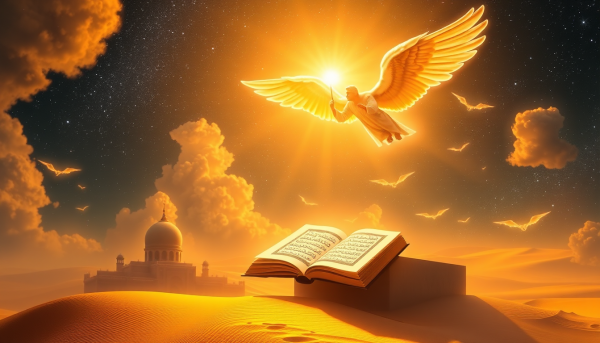
في القرآن، يُصوَّر الخلق كعمل من إرادة إلهية. تبدأ العملية بأمر الله: "كن"، وعند تلك اللحظة، تتكشف الوجود. يقول القرآن: "إنما أمره إذا أراد شيئًا أن يقول له كن فيكون" (القرآن 36:82). يؤكد هذا الآية على قوة كلمة الله، مما يُظهر أن الخلق هو تعبير عن سيادته.
خلق السماوات والأرض
يصف القرآن خلق السماوات والأرض في عدة آيات. خلق الله الكون في ستة أيام، وهو مفهوم يُعكس في الآيات: "إن ربكم الله الذي خلق السماوات والأرض في ستة أيام" (القرآن 7:54). غالبًا ما يُفسر مصطلح "الأيام" في هذا السياق بشكل مجازي، مما يرمز إلى مراحل أو فترات متميزة من الخلق، بدلاً من أيام 24 ساعة حرفيًا.
خلال هذه العملية، خلق الله كل شيء بقصد ودقة. يبرز القرآن جمال النظام في الخلق، داعيًا البشرية للتفكر في آيات الله في العالم الطبيعي. على سبيل المثال، في القرآن 2:164، يُقال: "إن في خلق السماوات والأرض واختلاف الليل والنهار لآيات لأولي الألباب."
خلق الإنسانية
يمتلك خلق الإنسانية أهمية خاصة في القرآن. خلق الله أول إنسان، آدم، من الطين أو التراب. يتم سرد هذا العمل في عدة آيات، مثل: "خلق الإنسان من صلصال كالفخار" (القرآن 55:14). أُعطي آدم روحًا، مما يجعله خلقًا فريدًا، قادرًا على التفكير واتخاذ القرارات الأخلاقية.
يصف القرآن أيضًا خلق حواء من آدم، مما يرمز إلى الشراكة والمساواة بين الاثنين. وُضِعوا في الجنة، حيث تمتعوا بحياة وفيرة. ومع ذلك، وُكل إليهم أمر واحد: ألا يأكلوا من شجرة معينة. تأخذ القصة منحى عندما يُخدَعوا من قبل الشيطان ويأكلون من الثمرة المحرمة. أدى هذا العمل من العصيان إلى طردهم من الجنة إلى الأرض، حيث وُكِّل إليهم العيش وعبادة الله.
غرض الخلق
تؤكد السردية القرآنية على أن غرض الخلق هو عبادة الله. "وما خلقت الجن والإنس إلا ليعبدون" (القرآن 51:56). تلخص هذه الآية الفهم الإسلامي لمعنى الحياة وأهمية الإيمان وطاعة الله.
علاوة على ذلك، مُنِحَت الإنسانية الإرادة الحرة، مما يتيح للأفراد الاختيار بين الصواب والخطأ. تُعتبر هذه الإرادة الحرة أساسية لمفهوم المساءلة في الآخرة، حيث سيتم محاسبة الأفراد بناءً على أفعالهم في هذه الحياة.
دورة الخلق
يسلط القرآن أيضًا الضوء على الطبيعة الدورية للخلق، بما في ذلك الحياة والموت. يتحدث عن تجديد الأرض من خلال المطر ونمو النباتات، مما يعمل كاستعارة للبعث والحياة الآخرة. "وهو الذي يحيي ويميت وله اختلاف الليل والنهار" (القرآن 40:68). تعزز هذه الدورة الإيمان بكون هادف ومترابط.
الخاتمة
تُعَدُّ قصة الخلق في القرآن نسيجًا غنيًا من الحكمة الإلهية، مما يبرز قوة الله، وأهمية الإنسانية، وغرض الحياة. تدعو المؤمنين للتفكر في وجودهم، والعالم الطبيعي، وعلاقتهم بالخالق. من خلال فهم هذه السردية، يُشجع المسلمون على العيش بشكر، ووعي، وإحساس بالمسؤولية تجاه خالقهم والعالم من حولهم. يشكل هذا الفهم هويتهم ويوجه أفعالهم في السعي نحو حياة صالحة.
The Divine Will and Command
In the Quran, creation is depicted as an act of divine will. The process begins with Allah's command: "Be!" (Kun), and at that moment, existence unfolds. The Quran states, "Indeed, when He intends a thing, His command is, 'Be,' and it is" (Quran 36:82). This verse emphasizes the power of God's word, demonstrating that creation is an expression of His sovereignty.
The Creation of the Heavens and the Earth
The Quran describes the creation of the heavens and the earth in several verses. Allah created the universe in six days, a concept reflected in the verses: "Indeed, your Lord is Allah, who created the heavens and the earth in six days" (Quran 7:54). The term "days" in this context is often interpreted metaphorically, symbolizing distinct stages or periods of creation, rather than literal 24-hour days.
Throughout this process, Allah created everything with purpose and precision. The Quran emphasizes the beauty and order of creation, urging humanity to reflect on the signs of Allah in the natural world. For instance, in Quran 2:164, it is stated: "Indeed, in the creation of the heavens and the earth, and the alternation of the night and the day are signs for those of understanding."
The Creation of Humanity
The creation of humanity holds a special significance in the Quran. Allah created the first human, Adam, from clay or dust. This act is recounted in several verses, such as: "He created man from clay like [that of] pottery" (Quran 55:14). Adam was endowed with a soul, making him a unique creation, capable of reasoning and moral decision-making.
The Quran also describes the creation of Eve (Hawwa) from Adam, symbolizing the partnership and equality between the two. They were placed in Paradise, where they enjoyed a life of abundance. However, they were given one command: not to eat from a specific tree. The story takes a turn when they are deceived by Satan and consume the forbidden fruit. This act of disobedience led to their expulsion from Paradise and onto Earth, where they were tasked with living and worshipping Allah.
The Purpose of Creation
The Quranic narrative emphasizes that the purpose of creation is to worship Allah. "And I did not create the jinn and mankind except to worship Me" (Quran 51:56). This verse encapsulates the Islamic understanding of life's meaning and the importance of faith and obedience to God.
Moreover, humanity is granted free will, which allows individuals to choose between right and wrong. This free will is fundamental to the concept of accountability in the Hereafter, where individuals will be judged based on their actions in this life.
The Cycle of Creation
The Quran also highlights the cyclical nature of creation, including life and death. It speaks of the earth's renewal through rain and the growth of plants, serving as a metaphor for resurrection and the afterlife. "And it is He who gives life and causes death, and His is the alternation of the night and the day" (Quran 40:68). This cycle reinforces the belief in a purposeful and interconnected universe.
Conclusion
The story of creation in the Quran is a rich tapestry of divine wisdom, emphasizing the power of Allah, the significance of humanity, and the purpose of life. It invites believers to reflect on their existence, the natural world, and their relationship with the Creator. By understanding this narrative, Muslims are encouraged to live with gratitude, mindfulness, and a sense of responsibility towards their Creator and the world around them. This understanding shapes their identity and guides their actions in the pursuit of a righteous life.