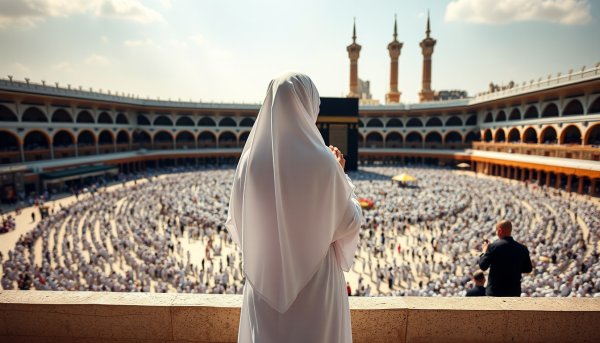
الأهمية التاريخية
يمتد تاريخ الحج إلى زمن النبي إبراهيم، الذي يُعتبر من أعظم الأنبياء في الإسلام. وفقًا للتقاليد الإسلامية، أُمر إبراهيم وزوجته هاجر من الله بترك ابنهما إسماعيل في الأرض القاحلة بمكة. وفي سعيها للحصول على الماء لابنها، ركضت هاجر بين تلال الصفا والمروة، وهو سعي يرمز إلى كفاح وإيمان الأم. استجاب الله لدعائها بتوفير بئر زمزم. أصبحت الكعبة، التي بناها إبراهيم وإسماعيل، مركز عبادة وت devotion للمسلمين، ويمثل الحج العودة إلى هذا الموقع المقدس.
الأبعاد الروحية
يعد الحج تذكيرًا قويًا بالمبادئ الأساسية للإسلام، ويعزز التواضع والمساواة والوحدة بين المسلمين. إليك بعض الأبعاد الروحية للحج:
-
الاستسلام لله: تؤكد شعائر الحج، بما في ذلك الطواف حول الكعبة والوقوف في عرفة، على الاستسلام لله وتعزز الإيمان بعظمته.
-
التوبة والمغفرة: يُعد الحج فرصة للمسلمين لطلب المغفرة عن ذنوبهم. يُعتقد أن أداء الحج ينظف الشخص من أخطائه الماضية، مما يوفر تجديدًا روحيًا.
-
الوحدة والمساواة: أثناء الحج، يرتدي جميع الحجاج ملابس بسيطة بيضاء تُعرف باسم الإحرام، مما يرمز إلى الطهارة والمساواة. بغض النظر عن الجنسية أو العرق أو الوضع الاجتماعي، يقف جميع الحجاج معًا في العبادة، مما يعزز شعور الأخوة والتضامن بين المسلمين في جميع أنحاء العالم.
الأثر الاجتماعي
لحج له تأثيرات اجتماعية كبيرة تتجاوز الروحانية الفردية:
-
بناء المجتمع: يعزز الحج شعور المجتمع بين المسلمين. غالبًا ما يشكل الحجاج روابط مع المسافرين الآخرين، ويشاركون تجاربهم وقصصهم، مما يعزز الهوية الجماعية.
-
تبادل ثقافي: مع تجمع الحجاج من جميع أنحاء العالم، يصبح الحج بوتقة تنصهر فيها الثقافات والتقاليد. يعزز هذا التبادل الاحترام المتبادل والتفاهم بين المجتمعات المسلمة المتنوعة.
-
تحفيز اقتصادي: يؤثر تدفق ملايين الحجاج إلى مكة بشكل كبير على الاقتصاد المحلي. تزدهر الأعمال المتعلقة بالضيافة والنقل والتجزئة خلال موسم الحج، مما يخلق فرص عمل ويعزز التنمية الاقتصادية.
تحديات الحج
بينما يعتبر الحج تجربة روحية عميقة، فإنه يأتي أيضًا مع تحديات. يمكن أن تؤدي الأعداد الكبيرة من الحجاج إلى اكتظاظ، مما يستلزم التخطيط والإدارة بعناية. الصحة والسلامة هما من القضايا الرئيسية، خاصة في ظل الظروف المناخية القاسية. تعمل السلطات باستمرار على تحسين البنية التحتية والخدمات لضمان سلامة وراحة جميع الحجاج.
الخاتمة
ليس الحج مجرد رحلة جسدية، بل هو تجربة روحية عميقة تجسد جوهر الإيمان الإسلامي. إنه يعلم دروسًا عن التواضع والمغفرة والمجتمع، بينما يعمل أيضًا كتذكير بالقيم المشتركة التي توحد المسلمين في جميع أنحاء العالم. مع بدء كل حاج هذه الرحلة المقدسة، لا يفي فقط بواجب ديني، بل يسهم أيضًا في نسيج غني من الإيمان والثقافة والاتصال البشري الذي يعرف المجتمع المسلم العالمي. إن القوة التحولية للحج هي شهادة على الروح الدائمة للإسلام وتفاني أتباعه الذي لا يتزعزع.
Historical Significance
Hajj has deep historical roots, tracing back to the time of the Prophet Ibrahim (Abraham), who is considered one of the foremost prophets in Islam. According to Islamic tradition, Ibrahim and his wife Hagar were commanded by Allah to leave their son, Isma'il (Ishmael), in the barren land of Mecca. In search of water for her son, Hagar ran between the hills of Safa and Marwah, a quest that symbolizes the struggle and faith of a mother. Allah responded to her plea by providing the Zamzam well. The Kaaba, built by Ibrahim and Isma'il, became the focal point of worship and devotion for Muslims, and Hajj represents a return to this sacred site.
Spiritual Dimensions
Hajj serves as a powerful reminder of the core principles of Islam, fostering humility, equality, and unity among Muslims. Here are some spiritual dimensions of Hajj:
-
Submission to Allah: The rituals of Hajj, including the Tawaf (circumambulation of the Kaaba) and the standing at Arafat, emphasize submission to Allah and reinforce the belief in His greatness.
-
Repentance and Forgiveness: Hajj is an opportunity for Muslims to seek forgiveness for their sins. The act of performing Hajj is believed to cleanse a person of their past wrongdoings, offering spiritual renewal.
-
Unity and Equality: During Hajj, all pilgrims wear simple white garments known as Ihram, symbolizing purity and equality. Regardless of nationality, ethnicity, or social status, all pilgrims stand together in worship, promoting a sense of brotherhood and solidarity among Muslims worldwide.
Social Impact
The Hajj pilgrimage has significant social implications beyond individual spirituality:
-
Community Building: The pilgrimage fosters a sense of community among Muslims. Pilgrims often form bonds with fellow travelers, sharing experiences and stories, which reinforces a collective identity.
-
Cultural Exchange: As pilgrims gather from all corners of the globe, Hajj becomes a melting pot of cultures and traditions. This exchange fosters mutual respect and understanding among diverse Muslim communities.
-
Economic Boost: The influx of millions of pilgrims to Mecca significantly boosts the local economy. Businesses related to hospitality, transportation, and retail thrive during the Hajj season, creating jobs and promoting economic development.
Challenges of Hajj
While Hajj is a deeply spiritual experience, it also comes with challenges. The sheer number of pilgrims can lead to overcrowding, which necessitates careful planning and management. Health and safety are major concerns, particularly in extreme weather conditions. Authorities continually work to improve infrastructure and services to ensure the safety and comfort of all pilgrims.
Conclusion
Hajj is not merely a physical journey but a profound spiritual experience that embodies the essence of Islamic faith. It teaches lessons of humility, forgiveness, and community, while also serving as a reminder of the shared values that unite Muslims across the globe. As each pilgrim embarks on this sacred journey, they not only fulfill a religious obligation but also contribute to a rich tapestry of faith, culture, and human connection that defines the global Muslim community. The transformative power of Hajj is a testament to the enduring spirit of Islam and the unwavering devotion of its followers.