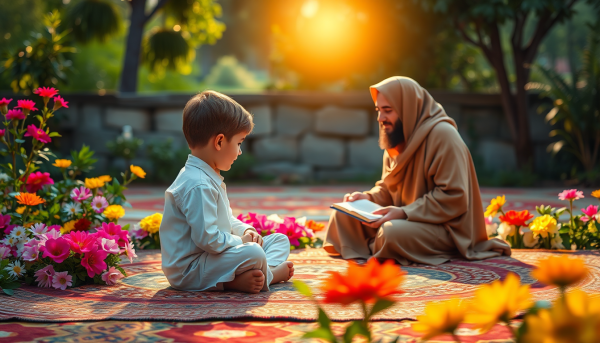
فهم الشكر في الإسلام
الشكر، أو الشكر، هو مبدأ أساسي في الإسلام. تؤكد القرآن على أهمية كون المرء ممتنًا لنعمة الله. في سورة إبراهيم (14:7)، يقول الله: "لَئِن شَكَرْتُمْ لَأَزِيدَنَّكُمْ". هذه الآية تذكير بأن الشكر يفتح الأبواب لمزيد من النعم.
طرق عملية لتعزيز الشكر:
-
التأمل اليومي:شجع الأطفال على التأمل في يومهم وتحديد ثلاثة أشياء على الأقل يشعرون بالامتنان تجاهها. تساعد هذه الممارسة في التعرف على وتقدير الأفراح الصغيرة في الحياة.
-
دفاتر الشكر:أنشئ دفتر شكر حيث يمكن للأطفال كتابة بركاتهم. هذا التمثيل المادي للشكر يعزز التفكير الإيجابي.
-
التعبير عن الشكر:علم الأطفال التعبير عن شكرهم شفهيًا. سواء كان ذلك بشكر والديهم، أصدقائهم، أو الله في صلواتهم، فإن الاعتراف اللفظي يعزز شعور التقدير.
-
الشكر في الدعاء:ادمج الشكر في الصلوات اليومية (الدعاء). علم الأطفال أن يشكروا الله على نعم معينة في حياتهم، مما يعزز الصلة بين الإيمان والشكر.
التأكيد على الصبر في الإسلام
الصبر، أو الصبر، هو فضيلة أساسية أخرى في الإسلام. تبرز القرآن والحديث أهمية الصبر في التغلب على التحديات والاختبارات. في سورة البقرة (2:153)، يقول الله: "يَا أَيُّهَا الَّذِينَ آمَنُوا اسْتَعِينُوا بِالصَّبْرِ وَالصَّلَاةِ إِنَّ اللَّهَ مَعَ الصَّابِرِينَ".
طرق عملية لتعزيز الصبر:
-
النموذج السلوكي:يجب على الآباء أن يكونوا قدوة في الصبر في حياتهم اليومية. يتعلم الأطفال من خلال الملاحظة، لذلك فإن إظهار الهدوء في المواقف الم stressful يعلمهم كيفية إدارة مشاعرهم.
-
ممارسات اليقظة:قدم أنشطة اليقظة، مثل التنفس العميق أو التأمل، لمساعدة الأطفال على تنمية الصبر. تشجع هذه الممارسات الوعي الذاتي وتنظيم العواطف.
-
قصص الأنبياء:شارك قصص الأنبياء واختباراتهم، مع التأكيد على كيفية إظهارهم الصبر. على سبيل المثال، تُظهر قصة النبي أيوب الصبر الثابت في مواجهة المعاناة الشديدة.
-
التحديات التدريجية:أنشئ فرصًا للأطفال لممارسة الصبر من خلال تحديات تدريجية، مثل الانتظار لدورهم أثناء الألعاب أو إكمال المهام دون التسرع. يساعد هذا في بناء المرونة والإصرار.
إنشاء بيئة داعمة
-
مناقشات عائلية:قم بإجراء مناقشات عائلية منتظمة حول الشكر والصبر. يمكن أن تعزز مشاركة التجارب الشخصية الروابط العائلية وتشجع المحادثات المفتوحة حول المشاعر والقيم.
-
المشاركة المجتمعية:شارك الأطفال في أنشطة خدمة المجتمع أو الأعمال الخيرية. يساعد مساعدة الآخرين في تعزيز الشكر على نعمهم الخاصة، بينما يُعلم أهمية الصبر في العمل من أجل هدف أكبر.
-
الاحتفال بالمناسبات:اعترف واحتفل باللحظات التي يظهر فيها الأطفال الشكر والصبر. يعزز التعزيز الإيجابي ثقتهم بالنفس ويشجعهم على الاستمرار في تجسيد هذه الفضائل.
الخاتمة
يساعد غرس الشكر والصبر في الأطفال من خلال التعاليم الإسلامية على بناء أساس لشخصيتهم الأخلاقية ورفاهيتهم النفسية. من خلال دمج هذه القيم في الحياة اليومية، يمكن للآباء والمعلمين مساعدة الأطفال في مواجهة تحديات الحياة بالمرونة وقلوب ممتنة. في عالم يركز غالبًا على الإشباع الفوري، تعتبر المبادئ الخالدة للشكر والصبر ضرورية في تربية أفراد متكاملين يقدرون نعم الحياة ويواجهون الشدائد برشاقة.
Understanding Gratitude in Islam
Gratitude, or shukr, is a core principle in Islam. The Quran emphasizes the importance of being thankful for Allah’s blessings. In Surah Ibrahim (14:7), Allah states, "If you are grateful, I will surely increase your favor upon you.” This verse serves as a reminder that gratitude opens the door to more blessings.
Practical Ways to Foster Gratitude:
-
Daily Reflection:Encourage children to reflect on their day and identify at least three things they are grateful for. This practice helps them recognize and appreciate the small joys in life.
-
Gratitude Journals:Create a gratitude journal where children can write down their blessings. This physical representation of gratitude reinforces positive thinking.
-
Expressing Thanks:Teach children to express their gratitude verbally. Whether it’s thanking their parents, friends, or Allah in their prayers, verbal acknowledgment fosters a sense of appreciation.
-
Gratitude in Duas:Incorporate gratitude into daily prayers (duas). Teach children to thank Allah for specific blessings in their lives, reinforcing the connection between faith and thankfulness.
Emphasizing Patience in Islam
Patience, or sabr, is another essential virtue in Islam. The Quran and Hadith frequently highlight the significance of patience in overcoming challenges and trials. In Surah Al-Baqarah (2:153), Allah says, "O you who have believed, seek help through patience and prayer. Indeed, Allah is with the patient.”
Practical Ways to Foster Patience:
-
Modeling Behavior:Parents should exemplify patience in their daily lives. Children learn by observing, so displaying calmness in stressful situations teaches them how to manage their emotions.
-
Mindfulness Practices:Introduce mindfulness activities, such as deep breathing or meditation, to help children cultivate patience. These practices encourage self-awareness and emotional regulation.
-
Stories of the Prophets:Share stories of the Prophets and their trials, emphasizing how they exhibited patience. For instance, the story of Prophet Job (Ayyub) showcases unwavering patience in the face of immense suffering.
-
Gradual Challenges:Create opportunities for children to practice patience through gradual challenges, like waiting for their turn during games or completing tasks without rushing. This helps them build resilience and perseverance.
Creating a Supportive Environment
-
Family Discussions:Hold regular family discussions about gratitude and patience. Sharing personal experiences can strengthen family bonds and encourage open conversations about emotions and values.
-
Community Involvement:Engage children in community service or charitable activities. Helping others fosters gratitude for their own blessings while teaching the importance of patience in working towards a greater cause.
-
Celebrate Milestones:Recognize and celebrate instances where children show gratitude and patience. Positive reinforcement boosts their confidence and encourages them to continue embodying these virtues.
Conclusion
Instilling gratitude and patience in children through Islamic teachings lays the foundation for their moral character and emotional well-being. By incorporating these values into daily life, parents and educators can help children navigate life’s challenges with resilience and a grateful heart. In a world often focused on instant gratification, the timeless principles of gratitude and patience are essential in raising well-rounded individuals who appreciate life’s blessings and face adversities with grace.