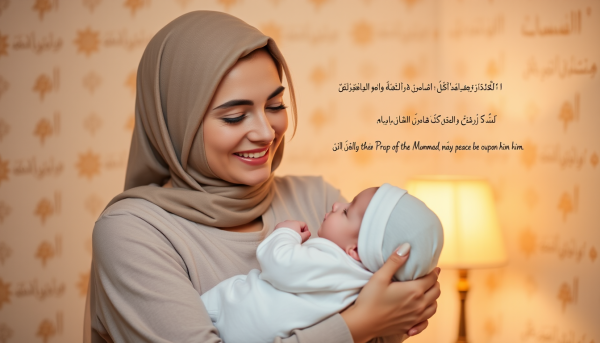
1. Enseñar sobre su Vida (Sira)
Introducir a los niños en la vida del Profeta Muhammad (PBUH) es fundamental. Su historia está llena de momentos que ilustran el coraje moral, la sabiduría y la misericordia, lo que lo convierte en una fuente de inspiración tanto para adultos como para niños. Al compartir regularmente historias de la vida del Profeta—su trato gentil hacia los demás, su honestidad y su amor por toda la humanidad—los padres pueden hacer que su carácter sea más cercano.
- Comienza con historias simples y conmovedoras que los niños puedan entender y disfrutar.
- Usa métodos de narración como ayudas visuales, libros o incluso videos diseñados para niños para dar vida a la Sira.
Por ejemplo, narrar cuando el Profeta fue amable con los animales o cuando mostró una paciencia increíble con quienes lo trataron mal ayuda a que los niños se conecten con su carácter.
2. Modelar Su Comportamiento en la Vida Diaria
Los niños aprenden mejor a través del ejemplo. Cuando los padres encarnan las enseñanzas del Profeta Muhammad (PBUH) en sus propias acciones—ya sea mostrando misericordia, siendo pacientes o practicando la generosidad—los niños observarán naturalmente y adoptarán estas cualidades.
- Muestra bondad hacia vecinos, amigos y extraños por igual.
- Practica la honestidad, la humildad y la integridad en tus palabras y acciones.
- Participa en actos de caridad e involucra a tus hijos para que experimenten la alegría de ayudar a los demás.
De este modo, los niños ven la belleza de los valores islámicos reflejados en la vida de sus padres y comienzan a desarrollar un afecto por el Profeta, quien vivió según estos principios.
3. Crear una Conexión Amorosa con el Corán y la Sunna
El Corán está lleno de versículos que hablan del Profeta Muhammad (PBUH) y su misión. Alentar a los niños a desarrollar una conexión con el Corán resaltando el papel del Profeta como el último mensajero puede ayudar a fomentar un amor profundo por él.
- Lee versículos simples con tus hijos que hablen de las virtudes del Profeta, como en la Sura Al-Ahzab (33:21), que se refiere al Profeta como el mejor ejemplo.
- Enséñales sobre la Sunna, explicando que es una forma de vida basada en las acciones del Profeta.
Por ejemplo, simples Sunnas como decir "Bismillah” antes de comer o saludar a las personas con "Assalamu Alaikum” son fáciles de entender y poner en práctica para los niños. Con el tiempo, asociarán estas prácticas con su amor por el Profeta.
4. Celebrar Días Especiales con un Enfoque en el Profeta
Las festividades islámicas, como el Eid o la celebración del Mawlid (el cumpleaños del Profeta en algunas culturas), ofrecen una maravillosa oportunidad para honrar el legado del Profeta. Usa estos días para enfatizar su importancia y enseñar lecciones sobre su vida.
- Comparte historias durante reuniones familiares sobre cómo el Profeta celebraba ocasiones especiales con simplicidad y gratitud.
- Anima a tus hijos a ofrecer oraciones adicionales o caridad en honor al Profeta.
Esto ayuda a reforzar su conexión emocional con el Profeta, convirtiendo las celebraciones religiosas en tradiciones familiares queridas.
5. Inspirar a Través de las Duas y las Oraciones Personales
Alentar a los niños a incluir al Profeta Muhammad (PBUH) en sus oraciones diarias les ayuda a desarrollar un vínculo espiritual con él. Cuando aprenden a enviar bendiciones sobre él (Salawat), se convierte en un acto personal de amor y respeto.
- Enséñales el simple Salawat: "Allahumma salli ‘ala Muhammadin wa ‘ala aali Muhammadin.”
- Explícales que cada vez que envían bendiciones sobre el Profeta, están cumpliendo un mandato de Allah y recibiendo bendiciones a cambio.
Incorporar al Profeta en sus oraciones diarias los acerca a él y mantiene vivo su recuerdo en sus vidas.
6. Fomentar Actos de Compasión
El Profeta Muhammad (PBUH) es ampliamente conocido como un modelo de compasión, especialmente hacia los niños, los pobres y los más vulnerables. Fomentar actos de compasión dentro de la familia reflejará naturalmente las enseñanzas del Profeta. Estos actos pueden ser tan simples como:
- Ayudar a un hermano o compañero de clase.
- Ofrecer comida a los menos afortunados.
- Cuidar de los animales o el medio ambiente.
Al practicar la compasión, los niños sentirán una conexión con el Profeta, quien fue enviado como una misericordia para toda la creación.
7. Hacer del Amor por el Profeta un Recordatorio Diario
Finalmente, incorporar el recuerdo del Profeta Muhammad (PBUH) en la vida cotidiana puede tener un impacto duradero. Hábitos simples como enviar bendiciones sobre él antes de dormir o recordar a los niños que el Profeta los amaba puede ayudar a construir una conexión emocional fuerte.
- Usa historias para antes de dormir, bendiciones y lenguaje diario para hacer que el amor por el Profeta sea una parte continua de la vida.
- Haz que los recordatorios sobre el carácter del Profeta formen parte de las discusiones familiares habituales.
Al mantener el amor por el Profeta en sus corazones y mentes, los niños crecerán con un profundo afecto y reverencia por él.
Conclusión
Criar a los hijos con el amor por el Profeta Muhammad (PBUH) es uno de los regalos más hermosos que los padres pueden ofrecer. Fortalece su fe y les proporciona una base de valores morales que los guiará a lo largo de sus vidas. A través de historias, acciones, oraciones y recordatorios diarios, este amor puede florecer y ayudar a formar niños compasivos, conscientes y espiritualmente fuertes.
1. Teach About His Life (Seerah)
Introducing children to the life of Prophet Muhammad (PBUH) is foundational. His life story is filled with moments that illustrate moral courage, wisdom, and mercy, making it a source of inspiration for both adults and children. By regularly sharing stories from the Prophet's life—his gentle treatment of others, his honesty, and his love for all humanity—parents can make his character relatable.
- Start with simple, heartwarming stories that children can understand and enjoy.
- Use storytelling methods like visual aids, books, or even videos designed for children to bring the Seerah to life.
For example, narrating the time when the Prophet was kind to animals or when he showed remarkable patience with those who wronged him helps children relate to his character.
2. Model His Behavior in Daily Life
Children learn best by example. When parents embody the teachings of Prophet Muhammad (PBUH) in their own actions—whether it’s showing mercy, being patient, or practicing generosity—children will naturally observe and adopt these qualities.
- Show kindness to neighbors, friends, and strangers alike.
- Practice honesty, humility, and integrity in your words and deeds.
- Engage in acts of charity and involve your children so they experience the joy of helping others.
By doing so, children see the beauty of Islamic values reflected in their parents’ lives, and they begin to develop an affinity for the Prophet who lived by these principles.
3. Create a Loving Connection to the Qur’an and Sunnah
The Qur’an is filled with verses that speak about the Prophet Muhammad (PBUH) and his mission. Encouraging children to develop a connection to the Qur’an by highlighting the Prophet’s role as the final messenger can help foster a deep love for him.
- Read simple verses with your children that discuss the Prophet’s virtues, like Surah Al-Ahzab (33:21), which refers to the Prophet as the best example.
- Teach them about the Sunnah, explaining that it’s a way of living modeled after the Prophet’s actions.
For instance, simple Sunnahs like saying "Bismillah” before eating or greeting people with "Assalamu Alaikum” are easy for children to understand and implement. Over time, they’ll come to associate these practices with their love for the Prophet.
4. Celebrate Special Days with a Focus on the Prophet
Islamic holidays, such as Eid or the celebration of Mawlid (the Prophet’s birthday in some cultures), offer a wonderful opportunity to honor the legacy of the Prophet. Use these days to emphasize his importance and teach lessons about his life.
- Share stories during family gatherings about how the Prophet celebrated special occasions with simplicity and gratitude.
- Encourage children to offer extra prayers or charity in the name of the Prophet.
This helps reinforce their emotional connection to the Prophet, turning faith-based celebrations into cherished family traditions.
5. Inspire Through Personal Du’as and Prayers
Encouraging children to include the Prophet Muhammad (PBUH) in their daily prayers helps them develop a spiritual bond with him. When they learn to send blessings upon him (Salawat), it becomes a personal act of love and respect.
- Teach them the simple Salawat: "Allahumma salli ‘ala Muhammadin wa ‘ala aali Muhammadin.”
- Explain that every time they send blessings on the Prophet, they are fulfilling a command of Allah and receiving blessings in return.
Incorporating the Prophet in their daily prayers brings him into their hearts and keeps his memory alive in their lives.
6. Encourage Acts of Compassion
Prophet Muhammad (PBUH) is widely known as a model of compassion, especially toward children, the poor, and the weak. Encouraging acts of compassion within your family will naturally reflect the Prophet’s teachings. These acts can be as simple as:
- Helping a sibling or a classmate.
- Offering food to the less fortunate.
- Caring for animals or the environment.
By practicing compassion, children will feel a connection to the Prophet, who was sent as a mercy to all creation.
7. Make the Prophet’s Love a Daily Reminder
Finally, incorporating the remembrance of Prophet Muhammad (PBUH) into everyday life can make a lasting impact. Simple habits like sending blessings upon him before bedtime or reminding children that the Prophet loved them can help build a strong emotional connection.
- Use bedtime stories, blessings, and everyday language to make the love for the Prophet an ongoing part of life.
- Make reminders of the Prophet’s character a regular part of family discussions.
By keeping the Prophet’s love in their hearts and minds, children will grow up with a deep affection and reverence for him.
Conclusion
Raising children with a love for Prophet Muhammad (PBUH) is one of the most beautiful gifts parents can offer. It strengthens their faith and provides a foundation of moral values that will guide them throughout their lives. Through stories, actions, prayers, and daily reminders, this love can blossom and help shape children into compassionate, mindful, and spiritually strong individuals.
Related: muslim creation story
Related: what does the quran say about creation