

Mostrar original Traducido
La honestidad y la integridad forman la columna vertebral de una sociedad saludable. Aquí hay algunas razones por las que estos valores son esenciales:
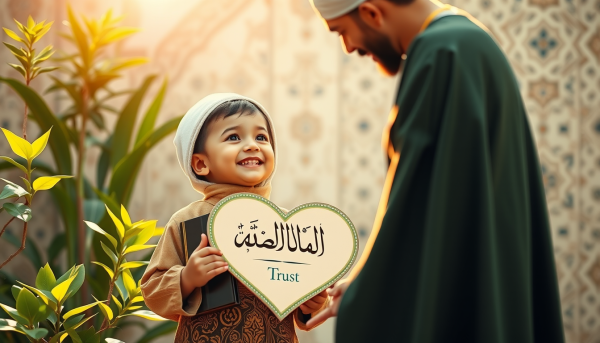
Construcción de la Confianza: La honestidad fomenta la confianza, que es fundamental para relaciones sólidas con la familia, amigos y compañeros. Los niños que practican la honestidad son más propensos a construir relaciones de confianza que duran toda la vida.
Respeto por Uno Mismo: Vivir con integridad ayuda a los niños a desarrollar el respeto por sí mismos. Aprenden que sus acciones se alinean con sus valores, lo que aumenta su confianza y autoestima.
Toma de Decisiones: Los niños que entienden la importancia de la honestidad están mejor preparados para tomar decisiones éticas. Aprenden a sopesar sus opciones y a considerar las implicaciones de sus acciones sobre los demás.
Resolución de Conflictos: La honestidad promueve la comunicación abierta, que es vital para resolver conflictos. Los niños que valoran la honestidad son más propensos a expresar sus sentimientos y a escuchar a los demás, fomentando un ambiente más pacífico.
Modelar Comportamientos Honestos: Los niños aprenden al observar a los adultos que los rodean. Sé un modelo a seguir al demostrar la honestidad en tu vida diaria. Comparte tus experiencias de enfrentar dilemas éticos y cómo los resolviste con integridad.
Crear un Entorno Seguro: Fomenta la comunicación abierta creando un espacio seguro para que los niños se expresen sin temor a ser juzgados o castigados. Hazles saber que está bien admitir errores y que la honestidad siempre será valorada por encima de la perfección.
Alabar las Acciones Honestas: Reconoce y elogia a tu hijo cuando demuestre honestidad, ya sea devolviendo un objeto perdido o admitiendo un error. El refuerzo positivo los anima a seguir actuando con integridad.
Enseñar las Consecuencias de la Deshonestidad: Discute las consecuencias negativas del comportamiento deshonesto, no solo para uno mismo sino también para los demás. Utiliza ejemplos de la vida real, historias o literatura adecuada para su edad que ilustre las repercusiones de las acciones deshonestas.
Fomentar la Empatía: Ayuda a los niños a comprender cómo sus acciones afectan a los demás. Involúcralos en conversaciones sobre sentimientos y perspectivas, enfatizando que la honestidad puede ser difícil a veces, pero es gratificante a la larga.
Juegos de Rol: Utiliza juegos de rol para crear escenarios en los que los niños deban tomar decisiones sobre la honestidad y la integridad. Este enfoque interactivo puede ayudarles a practicar estos valores en un entorno seguro y divertido.
Establecer Expectativas Claras: Comunica claramente tus expectativas sobre la honestidad y la integridad. Habla sobre los valores familiares y la importancia de ser honesto. Esta claridad ayuda a los niños a comprender la importancia de estos valores en su hogar.
Discutir Ejemplos del Mundo Real: Participa en conversaciones sobre la honestidad y la integridad en el contexto de eventos actuales, medios populares o figuras históricas. Discutir estos temas puede hacer que los conceptos sean más relevantes y aplicables a sus vidas.
Fomentar la honestidad y la integridad en los niños es un viaje continuo que requiere paciencia, coherencia y amor. Al modelar estos valores y crear un entorno que fomente la comunicación abierta, podemos ayudar a nuestros hijos a crecer para convertirse en individuos honestos y con principios. A medida que navegan por las complejidades de la vida, estas cualidades servirán como una luz guía, llevándolos hacia relaciones enriquecedoras y un futuro exitoso. Juntos, alimentemos una generación que valore la honestidad y la integridad, allanando el camino hacia un mundo mejor.