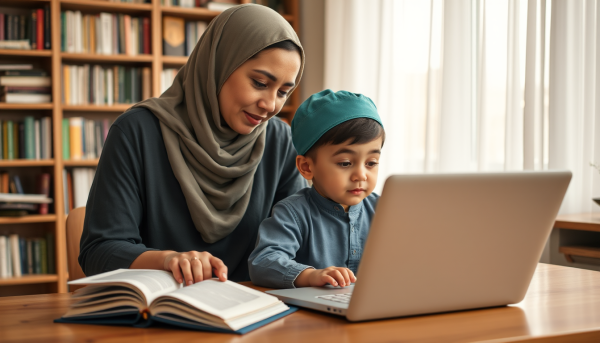
1. Ders İçeriği ve Müfredat
İlk değerlendirilmesi gereken şey ders içeriğidir. Program çocuğunuzun odaklanmasını istediğiniz alanları kapsıyor mu? Küçük çocuklar için Kur'an ezberleme (Hifz), İslami edep (Adab) ve temel inançlar (Aqeedah) gibi temel konular önemlidir. Daha büyük çocuklar için Tefsir (Kur'an yorumu), İslam tarihi veya Arap dili gibi konulara daha derinlemesine giren bir kurs isteyebilirsiniz. Kursun iyi dengelenmiş olduğundan ve çocuğunuzun yaşına ve öğrenme hedeflerine uygun olduğundan emin olun.
İpucu: Açık bir müfredat veya ders programı sunan kursları arayın. Bu, çocuğunuzun ne öğreneceğini ve seviyesine uygun olup olmadığını anlamanıza yardımcı olacaktır.
2. Nitelikli Eğitmenler
Öğretmenlerin itibar ve uzmanlığı herhangi bir İslami kursun kalitesinde kritik bir rol oynar. Eğitmenlerin İslami ilimlerde sağlam bir geçmişe sahip nitelikli âlimler veya öğretmenler olduğundan emin olun. Yetkinliklerini, sertifikalarını ve diğer veli veya öğrencilerin yorumlarını kontrol edin.
İpucu: Telaffuz (Tecvid) ve ezberleme üzerine odaklanılırken ana dili Arapça olan öğretmenler veya sertifikalı Kur'an öğretmenleri tarafından verilen kurslar oldukça faydalı olabilir.
3. Etkileşimli ve İlgi Çekici Öğrenme Ortamı
Çocuklar öğrenme sürecine aktif olarak katıldıklarında en iyi şekilde öğrenirler. Canlı dersler, sınavlar ve öğrenmeyi pekiştiren aktiviteler gibi etkileşimli oturumlar sunan bir kurs seçin. Bazı kurslar öğrenmeyi eğlenceli hale getirmek için oyunlar, bulmacalar veya hikâye anlatımı da sağlar.
İpucu: Kursun canlı Soru&Cevap oturumları veya çocuğunuzun eğitmene doğrudan soru sorma imkânı gibi etkileşimli özellikler sunup sunmadığını kontrol edin.
4. Esneklik ve Erişilebilirlik
Çevrimiçi kurslar, çocuğunuzun kendi hızında öğrenmesine olanak tanıyan esneklik sunmalıdır. Bu, çocuğunuzun okul veya ders dışı etkinlikler gibi diğer yükümlülükleri varsa özellikle önemlidir. Platformun her zaman erişilebilen kayıtlı derslere izin verip vermediğini kontrol edin.
İpucu: Platformun kullanımının kolay olduğundan ve dizüstü bilgisayarlar, tabletler ve akıllı telefonlar gibi farklı cihazlarda erişilebilir olduğundan emin olun.
5. Kişiselleştirilmiş Öğrenme Yolu
Her çocuk farklı bir hızda öğrenir, bu yüzden çocuğunuzun öğrenme tarzına uyum sağlayan bir kurs seçmek faydalıdır. Bazı programlar öğretmenin öğrencinin ilerlemesini değerlendirdiği ve tempoyu buna göre ayarladığı kişiselleştirilmiş öğrenme yolları sunar.
İpucu: Mümkünse bire bir öğretim veya küçük grup dersleri sunan kurslara bakın. Bu, çocuğunuzun eğitmenden daha fazla ilgi ve kişiselleştirilmiş geri bildirim almasını sağlar.
6. İtibar ve İncelemeler
Kayıt yaptırmadan önce platformun itibarını araştırın. Diğer velilerin yorumlarını veya referanslarını arayın. Bir süredir faaliyette olan ve diğer aileler tarafından sıklıkla tavsiye edilen platformlar genellikle kanıtlanmış bir sicile sahiptir.
İpucu: Diğer velilerin farklı çevrimiçi İslami kurslarla ilgili deneyimlerini paylaştığı ebeveyn forumlarına veya sosyal medya gruplarına katılın.
7. Maliyet ve Değer
Kursun maliyetini dikkate almak önemlidir, ancak en ucuz seçenek her zaman en iyi olmayabilir. Eğitimin kalitesi, kurs içeriği ve tamamlama sertifikaları gibi ek özellikler dahil olmak üzere maliyeti sunulan değerle karşılaştırın.
İpucu: Bazı platformlar deneme dersleri veya ücretsiz kaynaklar sunar. Karar vermeden önce programı değerlendirmek için bunlardan yararlanın.
8. Destek ve İletişim
Kursun güçlü bir destek sistemi sunduğundan emin olun. İster teknik destek olsun ister eğitmenle iletişim, kurs sırasında ortaya çıkabilecek herhangi bir sorunu ele almak için net kanallar olmalıdır.
İpucu: Çocuğunuzun ilerlemesi hakkında düzenli güncellemeler sağlayan ve öğretmen ile ebeveynler arasında açık iletişim hatları bulunan bir kurs seçin.
Son Düşünceler
Çocuğunuz için doğru çevrimiçi İslami kursu seçmek, onların dini eğitimini etkileyecek önemli bir karardır. Müfredatı, eğitmen niteliklerini, katılım düzeyini, esnekliği ve platformun genel itibarını dikkate alarak çocuğunuzun değerli ve zenginleştirici bir İslami öğrenim deneyimi almasını sağlayabilirsiniz.
Farklı kursları araştırmak ve değerlendirmek için zaman ayırarak, çocuğunuzu manevi gelişim ve inançları hakkında daha derin bir anlayış yoluna, uygun, etkili ve keyifli bir şekilde yönlendirmiş olursunuz.
1. Course Content and Curriculum
The first thing to evaluate is the course content. Does the program cover the areas you want your child to focus on? For younger children, foundational subjects such as Quran memorization (Hifz), Islamic etiquette (Adab), and basic beliefs (Aqeedah) are important. For older children, you might want a course that dives deeper into Tafsir (Quran interpretation), Islamic history, or Arabic language. Make sure the course is well-rounded and aligns with your child’s age and learning goals.
Tip: Look for courses that provide a clear syllabus or curriculum outline. This will help you understand what your child will be learning and if it’s appropriate for their level.
2. Qualified Instructors
The credibility and expertise of the teachers play a crucial role in the quality of any Islamic course. Make sure that the instructors are qualified scholars or teachers who have a strong background in Islamic studies. Check their credentials, certifications, and reviews from other parents or students.
Tip: A course taught by native Arabic speakers or certified Quranic teachers can be highly beneficial, especially when focusing on pronunciation (Tajweed) and memorization.
3. Interactive and Engaging Learning Environment
Children learn best when they are actively engaged in the learning process. Choose a course that offers interactive sessions, such as live classes, quizzes, and activities that reinforce learning. Some courses also provide games, puzzles, or storytelling to make learning fun.
Tip: Check if the course offers any interactive features like live Q&A sessions or the ability for your child to ask the instructor questions directly.
4. Flexibility and Accessibility
Online courses should offer flexibility, allowing your child to learn at their own pace. This is particularly important if your child has other commitments, such as school or extracurricular activities. Check if the platform allows for recorded lessons that can be accessed anytime.
Tip: Make sure the platform is easy to use and accessible across different devices like laptops, tablets, and smartphones.
5. Personalized Learning Path
Every child learns at a different pace, so it’s helpful to choose a course that adapts to your child’s learning style. Some programs offer personalized learning paths, where the teacher assesses the student’s progress and adjusts the pace accordingly.
Tip: If possible, look for courses that offer one-on-one tutoring or small group classes. This ensures that your child gets more attention and personalized feedback from the instructor.
6. Reputation and Reviews
Before enrolling your child, do some research on the platform’s reputation. Look for reviews or testimonials from other parents. Platforms that have been around for a while and are highly recommended by other families usually have a proven track record.
Tip: Join parenting forums or social media groups where other parents share their experiences with different online Islamic courses.
7. Cost and Value
While it’s important to consider the cost of the course, the cheapest option may not always be the best. Compare the cost with the value offered, including the quality of the instruction, course content, and any additional features such as certificates upon completion.
Tip: Some platforms offer trial lessons or free resources. Take advantage of these to evaluate the program before committing.
8. Support and Communication
Ensure that the course offers a strong support system. Whether it’s technical support or communication with the instructor, there should be clear channels to address any issues that arise during the course.
Tip: Choose a course that allows regular updates on your child’s progress and has open lines of communication between the teacher and the parents.
Final Thoughts
Choosing the right online Islamic course for your child is an important decision that will impact their religious education. By considering the curriculum, instructor qualifications, engagement level, flexibility, and overall reputation of the platform, you can ensure that your child receives a valuable and enriching Islamic learning experience.
By taking the time to research and assess different courses, you will be setting your child on the path to spiritual growth and deeper understanding of their faith in a way that is convenient, effective, and enjoyable.