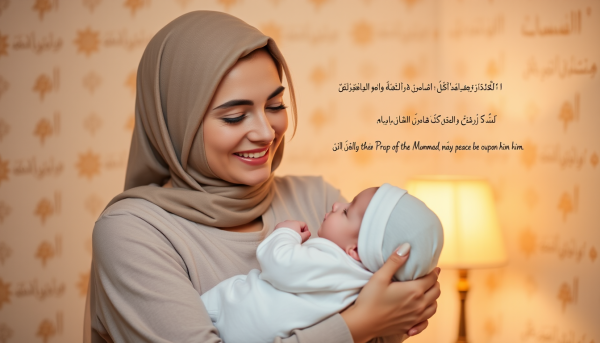
1. Рассказывайте о его жизни (Сира)
Знакомство детей с жизнью пророка Мухаммеда (PBUH) имеет фундаментальное значение. Его жизненный путь наполнен моментами, демонстрирующими моральную смелость, мудрость и милосердие, что делает его источником вдохновения как для взрослых, так и для детей. Регулярно рассказывая истории из жизни Пророка — о его добром отношении к другим, честности и любви ко всему человечеству — родители могут сделать его образ ближе и понятнее детям.
- Начинайте с простых, трогательных историй, которые дети смогут понять и которым будут рады.
- Используйте методы повествования, такие как наглядные пособия, книги или даже видео, созданные для детей, чтобы оживить Сиру.
Например, рассказ о случаях, когда Пророк проявлял доброту к животным или проявлял удивительное терпение к тем, кто обижал его, помогает детям понять и почувствовать его характер.
2. Подавайте пример его поведения в повседневной жизни
Дети лучше всего учатся на примере. Когда родители воплощают в своих поступках учения пророка Мухаммеда (PBUH) — проявляя милосердие, терпение или щедрость — дети естественно наблюдают и перенимают эти качества.
- Проявляйте доброту к соседям, друзьям и незнакомцам.
- Практикуйте честность, смирение и порядочность в словах и поступках.
- Занимайтесь благотворительностью и привлекайте к этому детей, чтобы они ощутили радость помощи другим.
Делая это, дети видят красоту исламских ценностей в жизни родителей и начинают испытывать симпатию к Пророку, который жил по этим принципам.
3. Создайте тёплую связь с Кораном и Сунной
Коран наполнен аятами, которые говорят о пророке Мухаммеде (PBUH) и его миссии. Побуждая детей устанавливать связь с Кораном и подчёркивая роль Пророка как последнего посланника, можно способствовать развитию глубокой любви к нему.
- Читайте с детьми простые аяты, в которых обсуждаются добродетели Пророка, например, сура Аль-Ахзаб (33:21), где Пророк называется лучшим примером.
- Объясняйте им Сунну, поясняя, что это образ жизни, основанный на действиях Пророка.
Например, простые сунны, такие как произнесение "Bismillah" перед едой или приветствие людей словами "Assalamu Alaikum", легко понять и применять детям.
Со временем они будут связывать эти практики со своей любовью к Пророку.
4. Отмечайте особые дни с акцентом на Пророке
Исламские праздники, такие как Ид или празднование Мавлида (день рождения Пророка в некоторых культурах), предоставляют прекрасную возможность почтить наследие Пророка. Используйте эти дни, чтобы подчеркнуть его значимость и преподать уроки о его жизни.
- Рассказывайте на семейных собраниях истории о том, как Пророк отмечал особые события с простотой и благодарностью.
- Поощряйте детей совершать дополнительные молитвы или давать милостыню в имя Пророка.
Это помогает укрепить их эмоциональную связь с Пророком, превращая религиозные праздники в дорогие семейные традиции.
5. Вдохновляйте личными дуа и молитвами
Поощрение детей включать Пророка Мухаммада (мир ему) в свои ежедневные молитвы помогает им развивать с ним духовную связь. Когда они учатся посылать на него благословения (салават), это становится личным актом любви и уважения.
- Научите их простому салавату: "Allahumma salli ‘ala Muhammadin wa ‘ala aali Muhammadin.”
- Объясните, что каждый раз, когда они посылают благословения Пророку, они выполняют повеление Аллаха и получают благословения в ответ.
Включение Пророка в их повседневные молитвы приносит его в их сердца и сохраняет память о нём в их жизни.
6. Поощряйте акты сострадания
Пророк Мухаммад (мир ему) широко известен как образец сострадания, особенно к детям, бедным и слабым. Поощрение актов сострадания в вашей семье естественным образом отразит учение Пророка. Эти поступки могут быть такими простыми, как:
- Помочь брату/сестре или однокласснику.
- Угостить едой нуждающихся.
- Заботиться о животных или окружающей среде.
Практикуя сострадание, дети почувствуют связь с Пророком, который был послан милостью ко всему творению.
7. Сделайте любовь к Пророку ежедневным напоминанием
Наконец, включение поминовения Пророка Мухаммада (мир ему) в повседневную жизнь может оказать долговременное влияние.
Простые привычки, такие как посылать ему благословения перед сном или напоминать детям, что Пророк любил их, могут помочь установить сильную эмоциональную связь.
- Используйте сказки на ночь, благословения и повседневную речь, чтобы любовь к Пророку стала постоянной частью жизни.
- Сделайте напоминания о характере Пророка регулярной частью семейных бесед.
Если сохранять любовь к Пророку в сердцах и умах детей, они вырастут с глубокой привязанностью и почтением к нему.
Заключение
Воспитание детей в любви к Пророку Мухаммаду (мир ему) — один из самых прекрасных даров, которые родители могут дать. Это укрепляет их веру и закладывает основу нравственных ценностей, которые будут направлять их на протяжении всей жизни. Через рассказы, поступки, молитвы и ежедневные напоминания эта любовь может расцвести и помочь сформировать из детей сострадательных, внимательных и духовно сильных личностей.
1. Teach About His Life (Seerah)
Introducing children to the life of Prophet Muhammad (PBUH) is foundational. His life story is filled with moments that illustrate moral courage, wisdom, and mercy, making it a source of inspiration for both adults and children. By regularly sharing stories from the Prophet's life—his gentle treatment of others, his honesty, and his love for all humanity—parents can make his character relatable.
- Start with simple, heartwarming stories that children can understand and enjoy.
- Use storytelling methods like visual aids, books, or even videos designed for children to bring the Seerah to life.
For example, narrating the time when the Prophet was kind to animals or when he showed remarkable patience with those who wronged him helps children relate to his character.
2. Model His Behavior in Daily Life
Children learn best by example. When parents embody the teachings of Prophet Muhammad (PBUH) in their own actions—whether it’s showing mercy, being patient, or practicing generosity—children will naturally observe and adopt these qualities.
- Show kindness to neighbors, friends, and strangers alike.
- Practice honesty, humility, and integrity in your words and deeds.
- Engage in acts of charity and involve your children so they experience the joy of helping others.
By doing so, children see the beauty of Islamic values reflected in their parents’ lives, and they begin to develop an affinity for the Prophet who lived by these principles.
3. Create a Loving Connection to the Qur’an and Sunnah
The Qur’an is filled with verses that speak about the Prophet Muhammad (PBUH) and his mission. Encouraging children to develop a connection to the Qur’an by highlighting the Prophet’s role as the final messenger can help foster a deep love for him.
- Read simple verses with your children that discuss the Prophet’s virtues, like Surah Al-Ahzab (33:21), which refers to the Prophet as the best example.
- Teach them about the Sunnah, explaining that it’s a way of living modeled after the Prophet’s actions.
For instance, simple Sunnahs like saying "Bismillah” before eating or greeting people with "Assalamu Alaikum” are easy for children to understand and implement. Over time, they’ll come to associate these practices with their love for the Prophet.
4. Celebrate Special Days with a Focus on the Prophet
Islamic holidays, such as Eid or the celebration of Mawlid (the Prophet’s birthday in some cultures), offer a wonderful opportunity to honor the legacy of the Prophet. Use these days to emphasize his importance and teach lessons about his life.
- Share stories during family gatherings about how the Prophet celebrated special occasions with simplicity and gratitude.
- Encourage children to offer extra prayers or charity in the name of the Prophet.
This helps reinforce their emotional connection to the Prophet, turning faith-based celebrations into cherished family traditions.
5. Inspire Through Personal Du’as and Prayers
Encouraging children to include the Prophet Muhammad (PBUH) in their daily prayers helps them develop a spiritual bond with him. When they learn to send blessings upon him (Salawat), it becomes a personal act of love and respect.
- Teach them the simple Salawat: "Allahumma salli ‘ala Muhammadin wa ‘ala aali Muhammadin.”
- Explain that every time they send blessings on the Prophet, they are fulfilling a command of Allah and receiving blessings in return.
Incorporating the Prophet in their daily prayers brings him into their hearts and keeps his memory alive in their lives.
6. Encourage Acts of Compassion
Prophet Muhammad (PBUH) is widely known as a model of compassion, especially toward children, the poor, and the weak. Encouraging acts of compassion within your family will naturally reflect the Prophet’s teachings. These acts can be as simple as:
- Helping a sibling or a classmate.
- Offering food to the less fortunate.
- Caring for animals or the environment.
By practicing compassion, children will feel a connection to the Prophet, who was sent as a mercy to all creation.
7. Make the Prophet’s Love a Daily Reminder
Finally, incorporating the remembrance of Prophet Muhammad (PBUH) into everyday life can make a lasting impact. Simple habits like sending blessings upon him before bedtime or reminding children that the Prophet loved them can help build a strong emotional connection.
- Use bedtime stories, blessings, and everyday language to make the love for the Prophet an ongoing part of life.
- Make reminders of the Prophet’s character a regular part of family discussions.
By keeping the Prophet’s love in their hearts and minds, children will grow up with a deep affection and reverence for him.
Conclusion
Raising children with a love for Prophet Muhammad (PBUH) is one of the most beautiful gifts parents can offer. It strengthens their faith and provides a foundation of moral values that will guide them throughout their lives. Through stories, actions, prayers, and daily reminders, this love can blossom and help shape children into compassionate, mindful, and spiritually strong individuals.
Related: muslim creation story
Related: what does the quran say about creation