1. Comprendere il significato dell'Eid
Inizia spiegando il significato dell'Eid ai tuoi figli. Puoi discutere:
- Eid al-Fitr: Questa festa simboleggia la gioia e la gratitudine per la forza dimostrata durante il Ramadan. È un momento per celebrare il completamento di un mese di digiuno, preghiera e riflessione.
- Eid al-Adha: Questa festa insegna i valori del sacrificio e dell'obbedienza. Commemora la fede di Ibrahim in Dio e sottolinea l'importanza della carità.
2. Esplorare tradizioni e usanze
Presenta ai bambini le varie usanze associate all'Eid. Queste possono variare molto tra le culture, ma ecco alcune tradizioni comuni:
- Preghiera: Spiega il significato delle preghiere speciali svolte nelle moschee o in spazi aperti. Incoraggia i bambini a partecipare a queste preghiere, spiegandone il significato.
- Zakat (carità): Parla dell'importanza di dare a chi è nel bisogno, in particolare durante l'Eid. Insegna ai bambini la Zakat al-Fitr, che viene data per aiutare i meno fortunati prima della preghiera dell'Eid.
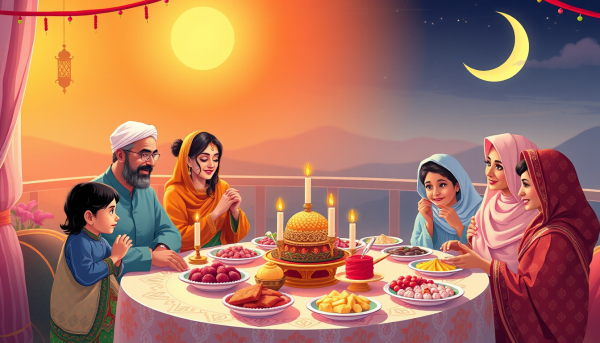
- Pasti festivi: Condividi la tradizione di preparare e condividere pasti speciali con familiari e amici. Potresti anche cucinare insieme piatti tradizionali, incoraggiando i bambini a conoscere il significato culturale di ciascun piatto.
- Regali e vestiti nuovi: Parla della gioia di donare e ricevere regali, oltre alla tradizione di indossare vestiti nuovi per l'occasione.
3. Attività creative
Coinvolgere i bambini attraverso attività creative può migliorare la loro comprensione e l'apprezzamento dell'Eid:
- Attività artistiche e lavoretti: Crea biglietti di auguri per l'Eid o decorazioni. Incoraggia i bambini a esprimere i loro sentimenti sulla festa attraverso l'arte.
- Raccontare storie: Racconta storie dalla storia islamica relative all'Eid. Storie sul Profeta Maometto e i suoi insegnamenti possono trasmettere importanti insegnamenti morali.
- Giochi di ruolo: Organizza una celebrazione finta dell'Eid in cui i bambini possano interpretare diverse attività, come prepararsi per la preghiera, distribuire cibo o aiutare gli altri.
4.
Coinvolgimento della comunità
Incoraggia i bambini a partecipare agli eventi comunitari legati all'Eid:
- Fiere dell'Eid: Partecipate alle fiere o ai festival locali dell'Eid, dove possono sperimentare la diversità culturale delle celebrazioni islamiche.
- Volontariato: Coinvolgeteli in attività di volontariato, come servire cibo ai bisognosi o partecipare a iniziative di pulizia comunitaria. Questo insegna loro l'importanza di aiutare gli altri.
5. Riflessione e gratitudine
L'Eid è un momento perfetto per i bambini per riflettere sulle loro benedizioni. Incoraggiali a:
- Fare una lista di gratitudine: Chiedi loro di scrivere le cose per cui sono grati e di discuterne insieme in famiglia.
- Condividere le loro benedizioni: Insegna loro a condividere la propria fortuna con i meno fortunati, sottolineando empatia e compassione.
Conclusione
Spiegare ai bambini le festività islamiche come l'Eid può essere un'esperienza gioiosa e arricchente. Condividendo il significato di queste occasioni e coinvolgendoli in varie tradizioni e attività, aiuti a coltivare una comprensione più profonda della loro fede e dei suoi valori. In definitiva, queste lezioni favoriscono un senso di appartenenza, comunità e compassione che può durare tutta la vita. Sfrutta questa opportunità per celebrare non solo le festività, ma anche gli insegnamenti fondamentali dell'Islam che promuovono amore, gentilezza e unità.
1. Understanding the Significance of Eid
Start by explaining the significance of Eid to your children. You can discuss:
- Eid al-Fitr: This festival symbolizes the joy and gratitude for the strength shown during Ramadan. It is a time to celebrate the completion of a month of fasting, prayer, and reflection.
- Eid al-Adha: This festival teaches the values of sacrifice and obedience. It commemorates Ibrahim’s faith in God and highlights the importance of charity.
2. Exploring Traditions and Customs
Introduce children to the various customs associated with Eid. These can vary widely between cultures, but here are some common traditions:
- Prayer: Explain the significance of the special prayers held in mosques or open spaces. Encourage children to participate in these prayers, explaining their meaning.
- Zakat (Charity): Discuss the importance of giving to those in need, particularly during Eid. Teach kids about Zakat al-Fitr, which is given to help the less fortunate before the Eid prayer.
- Festive Meals: Share the tradition of preparing and sharing special meals with family and friends. You might even cook traditional dishes together, encouraging children to learn about the cultural significance of each dish.
- Gifts and New Clothes: Talk about the joy of giving and receiving gifts, as well as the tradition of wearing new clothes for the occasion.
3. Creative Activities
Engaging children through creative activities can enhance their understanding and appreciation of Eid:
- Arts and Crafts: Create Eid greeting cards or decorations. Encourage children to express their feelings about the festival through art.
- Storytelling: Share stories from Islamic history related to Eid. Stories about the Prophet Muhammad and his teachings can instill important moral lessons.
- Role-Playing: Set up a mock Eid celebration where children can role-play various activities, such as preparing for the prayer, distributing food, or helping others.
4. Community Involvement
Encourage children to participate in community events related to Eid:
- Eid Fairs: Attend local Eid fairs or festivals where they can experience the cultural diversity of Islamic celebrations.
- Volunteering: Involve them in volunteer activities, such as serving food to the needy or participating in community clean-ups. This teaches them the importance of helping others.
5. Reflection and Gratitude
Eid is a perfect time for children to reflect on their blessings. Encourage them to:
- Make a Gratitude List: Have them write down things they are thankful for and discuss them as a family.
- Share Their Blessings: Teach them to share their good fortune with those less fortunate, emphasizing empathy and compassion.
Conclusion
Teaching kids about Islamic festivals like Eid can be a joyful and enriching experience. By sharing the significance of these occasions and involving them in various traditions and activities, you help cultivate a deeper understanding of their faith and its values. Ultimately, these lessons foster a sense of belonging, community, and compassion that can last a lifetime. Embrace this opportunity to celebrate not just the festivities, but the core teachings of Islam that promote love, kindness, and unity.