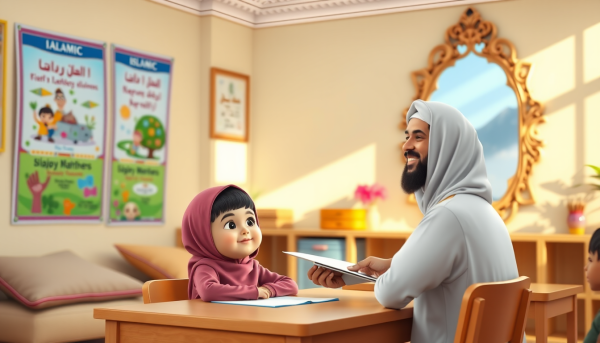
1. Comprendere l'importanza del Tajweed
Tajweed si riferisce all'insieme di regole che governano la pronuncia del Corano. Garantisce che ogni lettera venga recitata correttamente, con la giusta articolazione e enfasi, così come fu rivelata al Profeta Muhammad (PBUH). Imparare e applicare queste regole è essenziale per mantenere l'integrità e la bellezza della recitazione.
Come migliorare:
- Inizia imparando le regole di base del tajweed da un insegnante qualificato.
- Usa risorse come libri, app o corsi online che si concentrano sui principi del tajweed.
- Pratica ogni regola regolarmente per assicurarti di applicarla correttamente durante la recitazione.
2. Ascolta recitatori esperti
Uno dei modi più efficaci per migliorare la tua recitazione è ascoltare recitatori del Corano rinomati. Ascoltare attentamente come articolano le lettere, il ritmo della loro recitazione e le loro pause può servire da ispirazione e guida per la tua pratica.
Come migliorare:
- Scegli un recitatore preferito e ascoltalo ogni giorno. Alcuni recitatori famosi includono Sheikh Abdul Basit, Sheikh Mishary Rashid Alafasy e Sheikh Sudais.
- Cerca di imitare il loro stile, concentrandoti sulla corretta pronuncia e sulla melodia.
- Presta attenzione alle pause, agli allungamenti e al ritmo nella loro recitazione.
3. Esercitati regolarmente e con costanza
Come qualsiasi altra abilità, recitare il Corano richiede pratica costante. Fai l'abitudine di ritagliare un momento specifico ogni giorno per la recitazione. Questo non solo migliorerà la tua abilità ma rafforzerà anche il tuo rapporto con il Corano.
Come migliorare:
- Dedica almeno 15-30 minuti al giorno esclusivamente alla recitazione del Corano.
- Inizia con sure brevi, concentrandoti sul perfezionamento della pronuncia.
- Aumenta gradualmente il tempo e il numero di sure man mano che acquisisci sicurezza.
4. Recita con comprensione
Recitare con comprensione può migliorare notevolmente la tua esperienza.
Comprendere il significato dei versetti ti permette di esprimere le emozioni e il contesto che stanno dietro alle parole, rendendo la tua recitazione più significativa.
Come migliorare:
- Studia il significato del Corano insieme alla tua recitazione.
- Usa traduzioni o tafsir (esegesi) per approfondire la comprensione dei versetti.
- Rifletti sul significato mentre reciti, questo ti aiuterà a coinvolgerti più emotivamente.
5. Lavora sulla tua pronuncia e articolazione
Padroneggiare la corretta pronuncia (Makharij) e l'articolazione delle lettere arabe è fondamentale nella recitazione del Corano. La lingua araba contiene suoni che potrebbero non esistere nella tua lingua madre, e una pronuncia scorretta di certe lettere può cambiare il significato di un versetto.
Come migliorare:
- Concentrati sui punti specifici di articolazione (Makharij) per ogni lettera.
- Usa risorse come video o guide audio che scompongono la pronuncia delle singole lettere.
- Chiedi a un insegnante esperto di correggere eventuali errori di pronuncia.
6. Iscriviti a una classe o a un gruppo di studio del Corano
Imparare da un insegnante qualificato e recitare con altri può accelerare i tuoi progressi. Un insegnante può fornire feedback preziosi, correggere i tuoi errori e guidarti attraverso le sezioni più difficili. Far parte di un gruppo di studio del Corano ti permette anche di imparare dai tuoi pari e di mantenere alta la motivazione.
Come migliorare:
- Iscriviti a una classe del Corano locale o online con un insegnante certificato.
- Partecipa a workshop di tajweed o a circoli coranici per ottenere approfondimenti da diversi insegnanti.
- Unisciti a un gruppo di recitazione per praticare e migliorare la tua fluidità e fiducia.
7. Usa la tecnologia a tuo vantaggio
Nell'era digitale odierna, numerose app e siti web possono aiutarti a migliorare le tue abilità di recitazione del Corano. Dalle lezioni di tajweed alle app per la memorizzazione del Corano, la tecnologia può essere uno strumento prezioso nel tuo percorso.
Come migliorare:
- Scarica app come "Quran Companion", "Tajweed Quran" o "Ayat" per aiutarti nella recitazione.
- Guarda canali YouTube dedicati all'insegnamento del tajweed e della corretta recitazione.
- Usa registrazioni audio per esercitarti recitando insieme a recitatori rinomati.
8. Rimani paziente e costante
Migliorare la tua recitazione del Corano è un processo graduale che richiede tempo e impegno. Non scoraggiarti se non vedi progressi immediati.
Con pazienza, perseveranza e sincera intenzione, migliorerai progressivamente.
Come migliorare:
- Stabilisci piccoli obiettivi realistici e celebra i tuoi progressi.
- Mantieni la sincerità nella tua recitazione, concentrandoti sul compiacere Allah piuttosto che sulla perfezione.
- Ricorda che anche se la tua recitazione non è perfetta, lo sforzo che compi è altamente ricompensato da Allah.
Conclusione
Migliorare le tue abilità di recitazione del Corano è un'impresa nobile e gratificante. Comprendendo e applicando le regole del tajweed, praticando regolarmente e cercando aiuto da insegnanti e dalla tecnologia, puoi elevare la tua recitazione a un livello superiore. Ricorda di affrontare questo percorso con pazienza e dedizione, e Allah certamente benedirà i tuoi sforzi.
1. Understand the Importance of Tajweed
Tajweed refers to the set of rules governing the pronunciation of the Quran. It ensures that every letter is recited correctly, with proper articulation and emphasis, as it was revealed to Prophet Muhammad (PBUH). Learning and applying these rules is essential for maintaining the integrity and beauty of the recitation.
How to improve:
- Start by learning the basic rules of tajweed from a qualified teacher.
- Use resources such as books, apps, or online courses that focus on tajweed principles.
- Practice each rule regularly to ensure you implement it properly during recitation.
2. Listen to Skilled Reciters
One of the most effective ways to improve your recitation is by listening to renowned Quran reciters. Listening carefully to how they articulate the letters, the rhythm of their recitation, and their pauses can serve as an inspiration and guide for your practice.
How to improve:
- Choose a favorite reciter and listen to them daily. Some famous reciters include Sheikh Abdul Basit, Sheikh Mishary Rashid Alafasy, and Sheikh Sudais.
- Try to imitate their style, focusing on correct pronunciation and melody.
- Pay attention to the pauses, elongations, and rhythm in their recitation.
3. Practice Regularly and Consistently
Just like any other skill, reciting the Quran requires consistent practice. Make a habit of setting aside a specific time each day for recitation. This will not only improve your skill but also strengthen your relationship with the Quran.
How to improve:
- Dedicate at least 15-30 minutes a day solely to Quran recitation.
- Start with short surahs, focusing on perfecting your pronunciation.
- Gradually increase the time and surahs as you grow more comfortable.
4. Recite with Understanding
Reciting with comprehension can significantly enhance your experience. Understanding the meaning of the verses allows you to express the emotions and context behind the words, making your recitation more meaningful.
How to improve:
- Study the meaning of the Quran alongside your recitation.
- Use translations or tafsir (exegesis) to deepen your understanding of the verses.
- Reflect on the meaning while you recite, which will help you engage more emotionally.
5. Work on Your Pronunciation and Articulation
Mastering the correct pronunciation (Makharij) and articulation of the Arabic letters is crucial in Quran recitation. The Arabic language contains sounds that may not exist in your native tongue, and mispronouncing certain letters can change the meaning of a verse.
How to improve:
- Focus on the specific points of articulation (Makharij) for each letter.
- Use resources like videos or audio guides that break down the pronunciation of individual letters.
- Ask a knowledgeable teacher to correct any mispronunciations.
6. Join a Quran Class or Group
Learning from a qualified teacher and reciting with others can accelerate your progress. A teacher can provide valuable feedback, correct your mistakes, and guide you through difficult sections. Being part of a Quran study group also allows you to learn from your peers and stay motivated.
How to improve:
- Enroll in a local or online Quran class with a certified teacher.
- Attend tajweed workshops or Quran circles to gain insights from different teachers.
- Join a recitation group to practice and improve your fluency and confidence.
7. Use Technology to Your Advantage
In today’s digital age, numerous apps and websites can help you improve your Quran recitation skills. From tajweed lessons to Quran memorization apps, technology can be an invaluable tool in your journey.
How to improve:
- Download apps like "Quran Companion," "Tajweed Quran," or "Ayat" to help with your recitation.
- Watch YouTube channels dedicated to teaching tajweed and proper recitation.
- Use audio recordings to practice reciting along with renowned reciters.
8. Stay Patient and Consistent
Improving your Quran recitation is a gradual process that takes time and effort. Don’t get discouraged if you don’t see immediate progress. With patience, persistence, and sincere intention, you will steadily improve.
How to improve:
- Set small, realistic goals and celebrate your progress.
- Maintain sincerity in your recitation, focusing on pleasing Allah rather than on perfection.
- Remember that even if your recitation is not perfect, the effort you put in is highly rewarded by Allah.
Conclusion
Improving your Quran recitation skills is a noble and rewarding endeavor. By understanding and applying the rules of tajweed, practicing regularly, and seeking help from teachers and technology, you can elevate your recitation to a higher level. Remember to approach this journey with patience and dedication, and Allah will surely bless your efforts.
Related: importance of tajweed