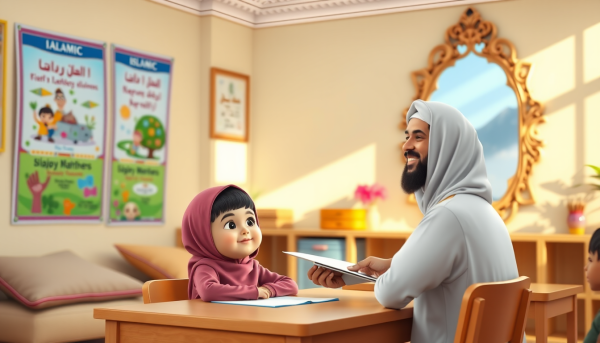
1. Comprender la Importancia del Tajwid
El tajwid se refiere al conjunto de reglas que rigen la pronunciación correcta del Corán. Garantiza que cada letra se recite de forma correcta, con la articulación y énfasis adecuados, tal como fue revelado al Profeta Muhammad (la paz sea con él). Aprender y aplicar estas reglas es esencial para mantener la integridad y belleza de la recitación.
Cómo mejorar:
- Comienza aprendiendo las reglas básicas del tajwid de un maestro calificado.
- Utiliza recursos como libros, aplicaciones o cursos en línea que se centren en los principios del tajwid.
- Practica cada regla regularmente para asegurarte de implementarla correctamente durante la recitación.
2. Escuchar a Recitadores Expertos
Una de las formas más efectivas de mejorar tu recitación es escuchando a recitadores del Corán reconocidos. Escuchar atentamente cómo articulan las letras, el ritmo de su recitación y sus pausas puede ser una fuente de inspiración y guía para tu práctica.
Cómo mejorar:
- Elige un recitador favorito y escúchalo diariamente. Algunos recitadores famosos incluyen a Sheikh Abdul Basit, Sheikh Mishary Rashid Alafasy y Sheikh Sudais.
- Intenta imitar su estilo, enfocándote en la pronunciación correcta y la melodía.
- Presta atención a las pausas, elongaciones y al ritmo en su recitación.
3. Practicar Regularmente y con Consistencia
Al igual que cualquier otra habilidad, la recitación del Corán requiere práctica constante. Acostúmbrate a reservar un tiempo específico cada día para la recitación. Esto no solo mejorará tus habilidades, sino que también fortalecerá tu relación con el Corán.
Cómo mejorar:
- Dedica al menos 15-30 minutos al día exclusivamente a la recitación del Corán.
- Comienza con suras cortas, enfocándote en perfeccionar tu pronunciación.
- Aumenta gradualmente el tiempo y las suras a medida que te sientas más cómodo.
4. Recitar con Comprensión
Recitar con comprensión puede mejorar significativamente tu experiencia. Comprender el significado de los versos te permite expresar las emociones y el contexto detrás de las palabras, haciendo que tu recitación sea más significativa.
Cómo mejorar:
- Estudia el significado del Corán junto con tu recitación.
- Utiliza traducciones o tafsir (exégesis) para profundizar en la comprensión de los versos.
- Reflexiona sobre el significado mientras recitas, lo que te ayudará a comprometerte emocionalmente más.
5. Trabajar en la Pronunciación y Articulación
Dominar la pronunciación correcta (Makharij) y la articulación de las letras árabes es crucial en la recitación del Corán. El idioma árabe tiene sonidos que pueden no existir en tu lengua materna, y la mala pronunciación de ciertas letras puede cambiar el significado de un verso.
Cómo mejorar:
- Concéntrate en los puntos específicos de articulación (Makharij) de cada letra.
- Utiliza recursos como videos o guías de audio que expliquen la pronunciación de cada letra.
- Pide a un maestro calificado que corrija tus errores de pronunciación.
6. Unirse a una Clase o Grupo de Corán
Aprender de un maestro calificado y recitar con otros puede acelerar tu progreso. Un maestro puede proporcionar comentarios valiosos, corregir tus errores y guiarte a través de secciones difíciles. Ser parte de un grupo de estudio del Corán también te permite aprender de tus compañeros y mantener la motivación.
Cómo mejorar:
- Inscríbete en una clase de Corán local o en línea con un maestro certificado.
- Asiste a talleres de tajwid o círculos de estudio del Corán para obtener información de diferentes maestros.
- Únete a un grupo de recitación para practicar y mejorar tu fluidez y confianza.
7. Usar la Tecnología a tu Favor
En la era digital actual, hay numerosas aplicaciones y sitios web que pueden ayudarte a mejorar tus habilidades de recitación del Corán. Desde lecciones de tajwid hasta aplicaciones de memorización del Corán, la tecnología puede ser una herramienta invaluable en tu viaje.
Cómo mejorar:
- Descarga aplicaciones como "Quran Companion", "Tajweed Quran" o "Ayat" para ayudarte con la recitación.
- Mira canales de YouTube dedicados a enseñar tajwid y la recitación correcta.
- Utiliza grabaciones de audio para practicar recitando junto con recitadores reconocidos.
8. Ser Paciente y Consistente
Mejorar tus habilidades de recitación del Corán es un proceso gradual que requiere tiempo y esfuerzo. No te desanimes si no ves avances inmediatos. Con paciencia, persistencia y una intención sincera, mejorarás poco a poco.
Cómo mejorar:
- Establece metas pequeñas y realistas y celebra tu progreso.
- Mantén la sinceridad en tu recitación, enfocándote en agradar a Alá más que en la perfección.
- Recuerda que, incluso si tu recitación no es perfecta, el esfuerzo que pones es altamente recompensado por Alá.
Conclusión
Mejorar tus habilidades de recitación del Corán es un esfuerzo noble y gratificante. Al comprender y aplicar las reglas del tajwid, practicar regularmente y buscar la ayuda de maestros y tecnología, puedes elevar tu recitación a un nivel superior. Recuerda abordar este viaje con paciencia y dedicación, y Alá bendecirá tus esfuerzos.
1. Understand the Importance of Tajweed
Tajweed refers to the set of rules governing the pronunciation of the Quran. It ensures that every letter is recited correctly, with proper articulation and emphasis, as it was revealed to Prophet Muhammad (PBUH). Learning and applying these rules is essential for maintaining the integrity and beauty of the recitation.
How to improve:
- Start by learning the basic rules of tajweed from a qualified teacher.
- Use resources such as books, apps, or online courses that focus on tajweed principles.
- Practice each rule regularly to ensure you implement it properly during recitation.
2. Listen to Skilled Reciters
One of the most effective ways to improve your recitation is by listening to renowned Quran reciters. Listening carefully to how they articulate the letters, the rhythm of their recitation, and their pauses can serve as an inspiration and guide for your practice.
How to improve:
- Choose a favorite reciter and listen to them daily. Some famous reciters include Sheikh Abdul Basit, Sheikh Mishary Rashid Alafasy, and Sheikh Sudais.
- Try to imitate their style, focusing on correct pronunciation and melody.
- Pay attention to the pauses, elongations, and rhythm in their recitation.
3. Practice Regularly and Consistently
Just like any other skill, reciting the Quran requires consistent practice. Make a habit of setting aside a specific time each day for recitation. This will not only improve your skill but also strengthen your relationship with the Quran.
How to improve:
- Dedicate at least 15-30 minutes a day solely to Quran recitation.
- Start with short surahs, focusing on perfecting your pronunciation.
- Gradually increase the time and surahs as you grow more comfortable.
4. Recite with Understanding
Reciting with comprehension can significantly enhance your experience. Understanding the meaning of the verses allows you to express the emotions and context behind the words, making your recitation more meaningful.
How to improve:
- Study the meaning of the Quran alongside your recitation.
- Use translations or tafsir (exegesis) to deepen your understanding of the verses.
- Reflect on the meaning while you recite, which will help you engage more emotionally.
5. Work on Your Pronunciation and Articulation
Mastering the correct pronunciation (Makharij) and articulation of the Arabic letters is crucial in Quran recitation. The Arabic language contains sounds that may not exist in your native tongue, and mispronouncing certain letters can change the meaning of a verse.
How to improve:
- Focus on the specific points of articulation (Makharij) for each letter.
- Use resources like videos or audio guides that break down the pronunciation of individual letters.
- Ask a knowledgeable teacher to correct any mispronunciations.
6. Join a Quran Class or Group
Learning from a qualified teacher and reciting with others can accelerate your progress. A teacher can provide valuable feedback, correct your mistakes, and guide you through difficult sections. Being part of a Quran study group also allows you to learn from your peers and stay motivated.
How to improve:
- Enroll in a local or online Quran class with a certified teacher.
- Attend tajweed workshops or Quran circles to gain insights from different teachers.
- Join a recitation group to practice and improve your fluency and confidence.
7. Use Technology to Your Advantage
In today’s digital age, numerous apps and websites can help you improve your Quran recitation skills. From tajweed lessons to Quran memorization apps, technology can be an invaluable tool in your journey.
How to improve:
- Download apps like "Quran Companion," "Tajweed Quran," or "Ayat" to help with your recitation.
- Watch YouTube channels dedicated to teaching tajweed and proper recitation.
- Use audio recordings to practice reciting along with renowned reciters.
8. Stay Patient and Consistent
Improving your Quran recitation is a gradual process that takes time and effort. Don’t get discouraged if you don’t see immediate progress. With patience, persistence, and sincere intention, you will steadily improve.
How to improve:
- Set small, realistic goals and celebrate your progress.
- Maintain sincerity in your recitation, focusing on pleasing Allah rather than on perfection.
- Remember that even if your recitation is not perfect, the effort you put in is highly rewarded by Allah.
Conclusion
Improving your Quran recitation skills is a noble and rewarding endeavor. By understanding and applying the rules of tajweed, practicing regularly, and seeking help from teachers and technology, you can elevate your recitation to a higher level. Remember to approach this journey with patience and dedication, and Allah will surely bless your efforts.
Related: importance of tajweed